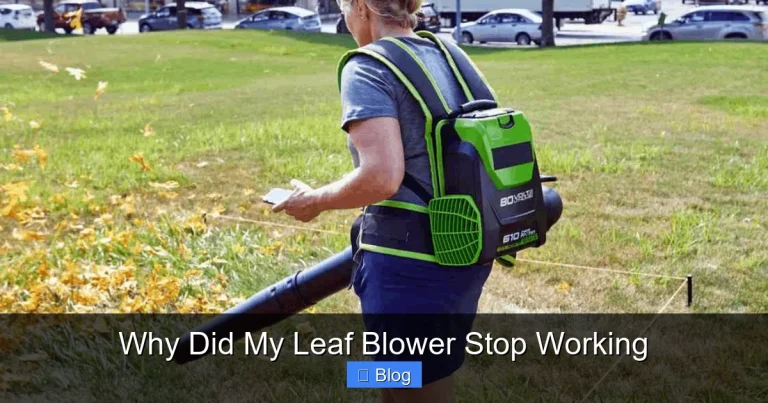
What Time Can I Use a Leaf Blower
Navigating the rules for yard maintenance can be tricky, but knowing what time can I use a leaf blower is essential for being a good neighbor. This guide covers local ordinances, optimal operating hours, and etiquette tips to ensure you keep your lawn clean while maintaining neighborhood harmony.
Maintaining a pristine landscape is a point of pride for many homeowners, but the roar of a leaf blower can be a significant source of friction in a quiet neighborhood. If you have ever stood in your garage on a Saturday morning, wondering, “What time can I use a leaf blower,” you are not alone. Understanding the balance between seasonal yard chores and community peace is the hallmark of a considerate neighbor.
In this guide, we will explore the legal and social framework surrounding power equipment usage. You will learn how to identify your local noise regulations, how to adjust your workflow for minimal impact, and how to stay on the right side of the law while keeping your property in top shape.
Key Takeaways
- Understand Local Laws: Municipal noise ordinances are the primary factor in determining when you can legally operate power equipment.
- The Golden Hours: Most residential areas favor operation between 8:00 AM and 6:00 PM to avoid disturbing early risers or those trying to sleep.
- Consider Weekends vs. Weekdays: Many cities have stricter enforcement on Sundays and holidays, often prohibiting or limiting loud equipment use.
- Communicate with Neighbors: Being proactive about your yard work schedule can prevent complaints and build goodwill in your community.
- Use Proper Equipment: Switching to quieter battery-operated blowers can often bypass noise restrictions or allow for more flexible usage.
Quick Answers to Common Questions
Check the label?
Many modern blowers have a decibel rating on the box. Look for models under 65 dB to ensure quieter operation for residential areas.
Is it a holiday?
Many jurisdictions treat federal holidays like Sundays. Avoid loud yard work on these days unless your local ordinance specifically permits it.
Notify neighbors?
If you are planning a massive cleanup project that will take several hours, a quick heads-up to your immediate neighbors is a courteous gesture.
What about wind?
Avoid using a blower on windy days, as debris will constantly blow back into your work area, forcing you to run the machine for much longer.
Electric vs. Gas?
Electric blowers are generally much quieter and often exempt from certain noise ordinances that apply strictly to gas-powered equipment.
Tips for Maintaining Neighborhood Harmony
Legal compliance is only the bare minimum. Being a good neighbor is about more than just avoiding a fine; it is about respecting the peace and quiet of those around you. Even if your city allows leaf blower use at 7:00 AM, that does not necessarily mean you should use it.
The “Know Your Audience” Approach
Consider the demographics of your street. If you live next to families with newborns, shift workers, or elderly neighbors, adjusting your schedule slightly can make a world of difference. If you know a neighbor works the night shift, try to delay your leaf blowing until the afternoon. This level of empathy usually prevents neighborly disputes before they even begin.
Use Alternative Methods
For smaller jobs, consider reaching for a rake or a broom instead of the power blower. Not only does this eliminate the noise entirely, but it is also a great workout. If you have a large property that requires power equipment, upgrading to a high-quality electric or battery-powered model can significantly reduce the decibel level, allowing you to work with less disruption to the surrounding environment.
Best Practices for Efficient Yard Work
When you do decide it is the right time to use your leaf blower, focus on efficiency. The longer the machine runs, the more noise pollution you create. By having a clear plan, you can minimize the time spent operating the blower.

Visual guide about what time can i use a leaf blower
Image source: 4.bp.blogspot.com
Understanding Local Noise Ordinances
Before you pull the cord on your engine, you must realize that there is no universal law. Noise ordinances are determined at the municipal, city, or sometimes even the homeowners association (HOA) level. Because every community has different priorities regarding quiet hours, it is vital to research your specific location.
Check Your City Website
Most town or city governments maintain an online database of municipal codes. Search for terms like “noise control ordinance” or “landscaping equipment restrictions.” These documents will explicitly state the hours of operation permitted for gas-powered landscape maintenance tools. While some cities might allow use as early as 7:00 AM, others may restrict it until 9:00 AM.

Visual guide about what time can i use a leaf blower
Image source: videocdn.cdnpk.net
Consult Your HOA Handbook
If you live in a managed community, your HOA likely has its own set of bylaws. These are often stricter than municipal laws. HOAs are designed to maintain a specific quality of life, which often translates to more limited hours for loud yard work, especially on weekends and holidays. Always check your neighborhood covenants before beginning a large project.
Quick Reference
| Day of the Week | Standard Quiet Hours | Recommended Usage Window |
|---|---|---|
| Monday – Friday | Before 7 AM / After 7 PM | 8:00 AM – 6:00 PM |
| Saturday | Before 9 AM / After 6 PM | 9:00 AM – 5:00 PM |
| Sunday | Full Day Restriction | Check Local Ordinances |
| Federal Holidays | Varies by City | 10:00 AM – 4:00 PM |
Organize Your Piles First
Don’t wander around the yard aimlessly with the blower running. Use a rake to gather leaves into manageable, central piles. Once your piles are organized, use the blower for the final step of clearing those piles into a collection bin or onto a tarp. This “gather-then-blow” technique cuts your operating time in half.
Maintain Your Equipment
A poorly maintained leaf blower, particularly a gas-powered one, often runs louder than necessary. A clogged air filter or an aging muffler can increase the noise output significantly. Perform regular maintenance as recommended by the manufacturer. Not only will the machine be quieter, but it will also run more efficiently, allowing you to finish your task faster.
Troubleshooting Common Noise Issues
If you find yourself frequently dealing with noise complaints or feeling anxious about when to start your yard work, it might be time to look at the root of the problem. Sometimes, the issue isn’t the timing, but the equipment itself.
High Decibel Levels
If you are using an older, two-stroke gas engine, these machines are notoriously loud. If you live in an urban environment, consider switching to a modern battery-powered blower. Modern lithium-ion technology has advanced to the point where these tools provide ample power with a fraction of the noise. The sound profile of an electric blower is often less “piercing” than the deep, vibration-heavy drone of a gas engine.
Wind Conditions
Even if you are within the legal time frame, avoid using a leaf blower on exceptionally windy days. High winds can cause you to lose control of your debris, requiring you to run the machine for longer durations to clear the same area. Plan your yard work for days with calmer weather to keep your usage time brief and controlled.
Conclusion
Asking “what time can I use a leaf blower” is a sign that you value your community. While the law provides the baseline rules, common sense and consideration act as the best guide. By checking your local municipal code, respecting the needs of those around you, and keeping your equipment in good working order, you can maintain your yard effectively without compromising your relationship with your neighbors.
Start by verifying your local noise hours today. From there, aim to work during the middle of the day, prioritize efficient techniques, and consider quieter technology where possible. With these steps, you can keep your property looking great and your neighborhood peaceful all year round.