Which Backpack Leaf Blower Is Best
Choosing the right backpack leaf blower depends on yard size, terrain, and your physical comfort. We’ll walk you through key specs like engine type and air volume so you can pick the best model without guesswork. From electric to gas-powered options, this guide helps you balance power, portability, and ease of use.
Which Backpack Leaf Blower Is Best
If your lawn or garden needs serious leaf removal, a backpack leaf blower can make the job faster and easier than raking by hand. These tools take the strain off your back and shoulders while giving you powerful airflow to clear patios, driveways, and dense foliage. But with dozens of models on the market—gas-powered, corded electric, and battery-operated—it’s easy to feel overwhelmed.
This guide will help you cut through the confusion. You’ll learn what separates a good backpack leaf blower from a great one, how to match performance features to your yard size, and which brands consistently earn top marks. By the end, you’ll know exactly which backpack leaf blower suits your needs best.
What Is a Backpack Leaf Blower?
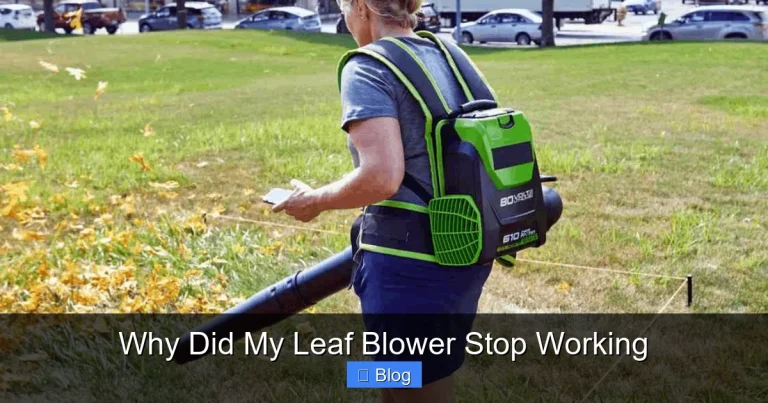
Unlike handheld blowers that sit in your hands, backpack leaf blowers strap onto your body using shoulder and chest straps. They channel high-speed air through a tube directed toward leaves, mulch, or debris. The design shifts weight from your arms to your torso, reducing fatigue during long cleanups.
Backpack models come in two main power types:
– **Gas-powered**: Use two-stroke engines fueled by gasoline mixed with oil. They’re powerful enough for large yards but louder and heavier.
– **Electric**: Include both corded (plugged into an outlet) and cordless (battery-powered) versions. Electric models tend to be quieter, lighter, and require less maintenance.
Quick reference
Here’s a simple breakdown of common backpack leaf blower categories:
How to Choose the Right Backpack Leaf Blower
Step 1: Assess Your Yard Size and Terrain
Start by measuring your property. A small suburban lot may only need 200–400 CFM, while a wooded acre might demand 600+ CFM. Hilly or uneven ground increases the challenge—lighter electric models handle slopes better than heavy gas units.
Step 2: Decide Between Gas and Electric
Gas blowers dominate in raw power and range, making them popular among landscapers and homeowners with over half an acre. Electric options shine in residential neighborhoods where noise matters or where you prefer plug-in convenience.
Step 3: Check Key Performance Numbers
Two numbers tell you most about blower effectiveness:
– **CFM (cubic feet per minute)**: Total volume of air pushed out. Higher CFM clears larger piles.
– **MPH (miles per hour)**: Speed of the airstream. High MPH lifts stubborn leaves from pavement.
Look for at least 400 CFM and 150 MPH for general home use. Professional-grade models often exceed 600 CFM and 200 MPH.
Step 4: Consider Weight and Ergonomics
Even strong adults tire after 15–20 minutes carrying a 25-pound machine. Look for:
– Padded shoulder straps and waist belt
– Balanced center of gravity
– Lightweight frames (aluminum trusses help)
– Adjustable harness systems
Many top models now include anti-vibration handles and quick-release controls.
Step 5: Evaluate Battery Life (for Cordless Models)
Battery-powered blowers use lithium-ion cells. Expect:
– Entry-level: 20–30 minutes runtime
– Mid-range: 45–60 minutes
– Premium: 90+ minutes with dual batteries
Always check if spare batteries are available and how long charging takes.
Step 6: Factor in Noise and Emissions
Gas blowers average 90–100 decibels—about as loud as a motorcycle. Many cities restrict their use near schools or apartments. Electric models run 60–80 dB, similar to a vacuum cleaner.
Also consider environmental impact: zero-emission electric blowers are friendlier to air quality and wildlife.
Top Features to Look For
Beyond basic specs, these extras enhance usability:
– **Variable speed control**: Lets you dial down for delicate plants or boost for tough jobs.
– **Turbine fan technology**: Improves airflow efficiency and reduces clogging.
– **Tool-less assembly**: Saves time when setting up or storing.
– **Weather resistance**: Sealed components protect against moisture and dust.
Maintenance Tips for Longevity
Keep your backpack blower running smoothly:
– Clean the intake screen and fan after each use.
– Drain old fuel from gas models before winter storage.
– Charge batteries monthly if unused.
– Store in a dry place away from extreme temperatures.
Troubleshooting Common Issues
Problem: Blower won’t start
Solution: Check fuel/oil mix (if gas), ensure spark plug is clean, verify battery charge (if electric).
Problem: Airflow weakens mid-task
Solution: Clogged filter or damaged hose? Inspect and replace parts as needed.
Problem: Excessive vibration
Solution: Worn fan blades or loose mounting bolts usually cause this. Tighten screws and balance the impeller.
Conclusion
The best backpack leaf blower isn’t necessarily the most expensive—it’s the one that matches your yard size, physical ability, and lifestyle. Whether you choose gas for unmatched power or electric for quiet efficiency, focus on balanced weight, reliable airflow, and user-friendly controls. With the right tool, clearing leaves becomes a breeze instead of a burden.
| Type | Pros | Cons | Best for |
|---|---|---|---|
| Gas-powered | High CFM/MPH; unlimited runtime | Heavy; loud; requires fuel/oil | Large properties; thick brush |
| Cordless electric | Lightweight; quiet; low maintenance | Battery life limits use time | Small-to-medium yards; noise-sensitive zones |
| Corded electric | Unlimited runtime; consistent power | Range limited by extension cord | Garages, sidewalks, tight spaces |
Key Takeaways
- Gas vs. Electric: Gas models offer more power but require maintenance; corded electric is lighter and eco-friendly but limited by range.
- Weight Matters: Most backpack blowers weigh 15–30 pounds—choose one that fits your strength for longer jobs.
- Blower Type: Handheld blowers move air faster but are less stable; backpack units distribute weight better for extended use.
- CFM & MPH: Cubic feet per minute (CFM) measures airflow; miles per hour (MPH) shows wind speed—both affect how well leaves get picked up.
- Battery Life: For cordless electric blowers, look for at least 45 minutes of runtime with quick-charge capability.
- Noise Level: Gas models are loudest (~70–100 dB); electric options run quieter (~60–80 dB), ideal for residential areas.
- Ergonomics: Adjustable straps, padded harnesses, and vibration control improve comfort during long cleanup sessions.
Quick Answers to Common Questions
Tip/Question?
Answer: Always wear eye protection and ear defenders when operating a leaf blower—especially gas models that generate loud noise and flying debris.
Tip/Question?
Answer: Rotate your blowing direction across the yard to avoid compacting soil or damaging young plants under the canopy.
Tip/Question?
Answer: For battery-powered models, keep spare batteries charged and ready—this extends total work time without needing a wall outlet.
Tip/Question?
Answer: Lubricate moving parts like hinges and straps annually to prevent stiffness and premature wear.
Tip/Question?
Answer: Avoid using leaf blowers on wet leaves—they clump together and reduce airflow efficiency while increasing machine strain.