Why Did My Leaf Blower Stop Working
If you’re wondering why did my leaf blower stop working, it could be due to simple issues like a dirty air filter or low fuel. This guide walks you through safety tips, common causes, and easy troubleshooting steps to diagnose and fix the problem yourself. Save time and money by avoiding unnecessary repairs with our practical advice.
Key Takeaways
- Check Safety First: Always unplug or remove the battery before troubleshooting to prevent accidents.
- Common Culprit – Fuel Issues: Old or stale fuel often causes leaf blowers to stall; drain and replace it for a quick fix.
- Clean the Air Filter: A clogged filter restricts airflow and leads to poor performance—clean or replace it regularly.
- Spark Plug Problems: Inspect and clean the spark plug if the engine won’t start; gaps or fouling are frequent issues.
- Carburetor Maintenance: Buildup in the carburetor can stop the motor—use cleaner to restore function.
- Overheating Prevention: Let the blower cool down during long sessions to avoid shutdowns from thermal overload.
- Professional Help: If basic fixes fail, consult a technician for electrical or deeper mechanical problems.
Quick Answers to Common Questions
How often should I clean my air filter?
Clean it every 25 hours of use or monthly during peak season. This prevents clogs that make your leaf blower stop working suddenly and keeps performance strong.
Can I use regular gas in my leaf blower?
Opt for ethanol-free gas to avoid carburetor gunk. Mix with two-stroke oil at the recommended ratio—wrong fuel is a top reason blowers fail to start.
What if my electric leaf blower won’t charge?
Check the outlet and cable first. If the battery is old, replace it—batteries last 2-3 years with heavy use and ensure reliable power.
Is it safe to store fuel in the tank over winter?
No, drain it to prevent varnish buildup. Add stabilizer if storing full, but empty is best to avoid why did my leaf blower stop working next spring.
How do I prevent overheating?
Take 5-minute breaks every 30 minutes of use. Clear vents regularly—overheating often triggers auto-shutoff for safety.
Introduction
Nothing’s more frustrating than firing up your leaf blower on a crisp fall day, only to have it sputter and die. If you’re asking yourself, why did my leaf blower stop working, you’re not alone. Leaf blowers are handy tools for yard cleanup, but they can quit due to everyday wear, poor maintenance, or simple oversights. In this guide, we’ll help you figure out the problem and get back to work quickly.
By the end, you’ll learn how to safely troubleshoot common issues, from fuel woes to clogged parts. Whether you have a gas-powered or electric model, these steps will save you time and hassle. We’ll cover everything in simple terms, with practical tips to prevent future breakdowns. Let’s dive in and revive your leaf blower today.
Safety Precautions Before You Start
Before poking around your leaf blower, safety comes first. A sudden start-up could lead to injury, so take a moment to prepare. This section ensures you troubleshoot without risks.
Visual guide about Why Did My Leaf Blower Stop Working
Image source: theallelectriclawn.com
Disconnect Power Sources
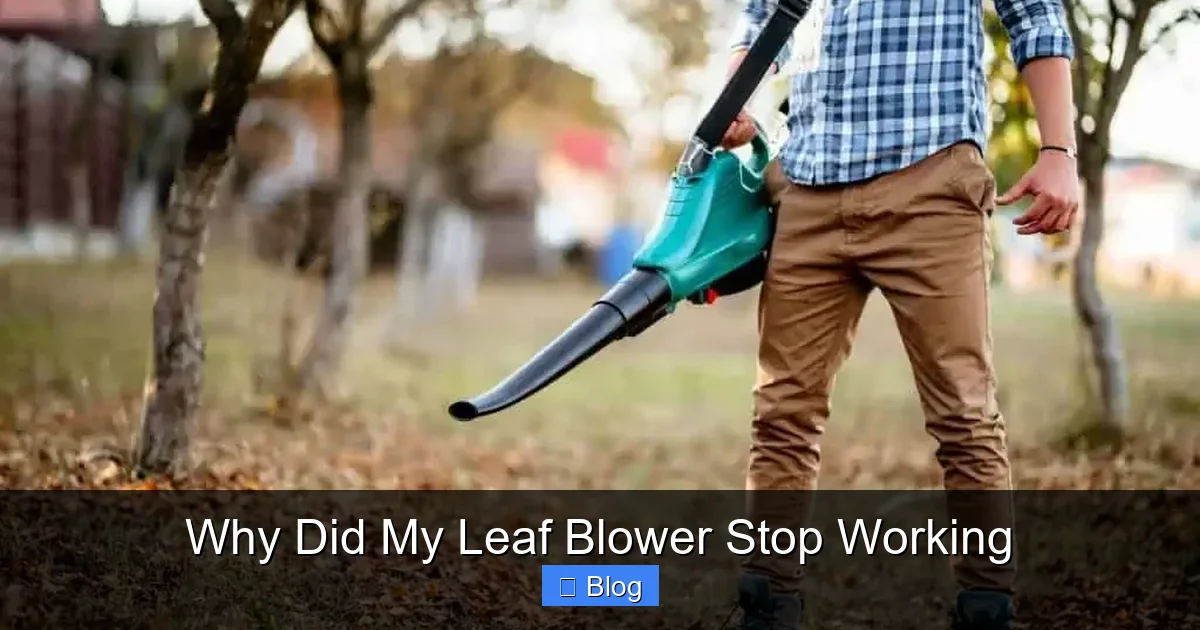
For electric leaf blowers, unplug the cord from the outlet. If it’s battery-powered, remove the battery pack and set it aside. Gas models? Turn off the fuel valve if your unit has one, and let the engine cool completely. Hot parts can burn you, and lingering fuel vapors are flammable.
Wear Protective Gear
Grab your safety glasses, gloves, and work clothes. Debris might fly during cleaning, and sharp edges on the blower could nick your skin. Work in a well-ventilated area, especially with gas units, to avoid inhaling fumes.
Pro tip: Place the leaf blower on a clean workbench or tarp outdoors. This keeps your workspace tidy and makes it easier to spot small parts like screws or filters. Following these steps means you can focus on fixing why did my leaf blower stop working without worry.
Understanding Common Reasons Why Your Leaf Blower Stopped
Leaf blowers stop for a variety of reasons, often tied to how we use and store them. Knowing the basics helps you pinpoint the issue fast. Let’s break down the most frequent culprits.
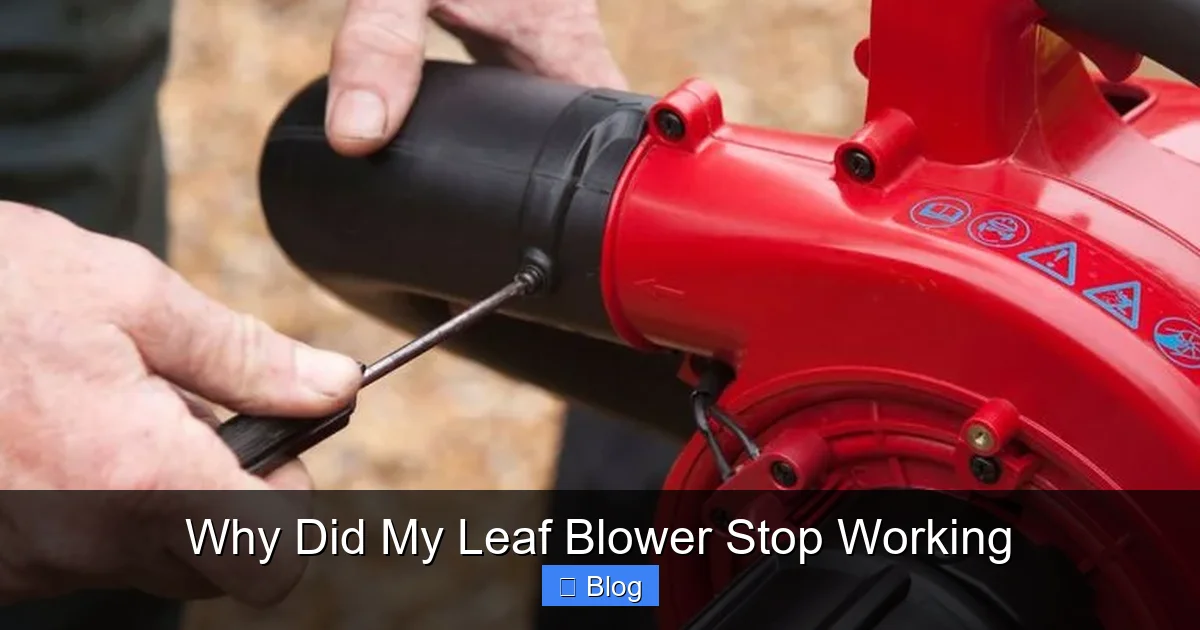
Visual guide about Why Did My Leaf Blower Stop Working
Image source: cdn.mos.cms.futurecdn.net
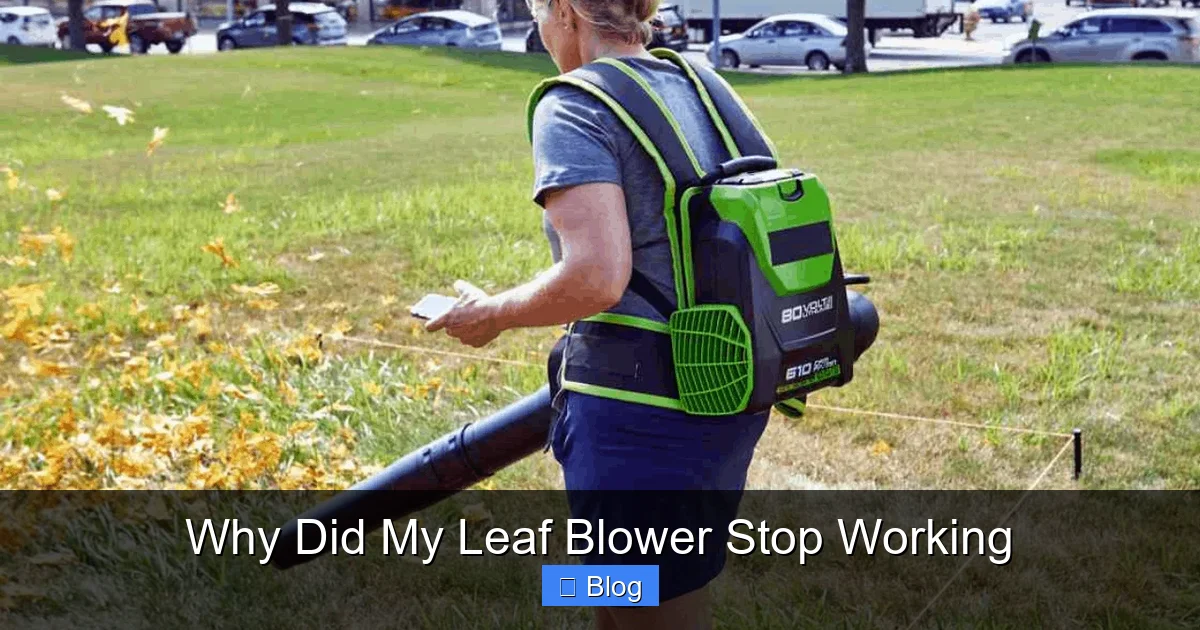
First, fuel problems top the list, especially for gas-powered blowers. Stale gas from last season clogs the system, preventing the engine from firing. Electric models might face cord damage or battery drain instead.
Airflow blockages are another big one. A dirty air filter or clogged intake starves the engine of oxygen, causing it to stall mid-use. Overheating happens too—if you’ve been blowing leaves non-stop, the motor might shut down to protect itself.
Don’t overlook spark plugs or starter issues. In gas blowers, a fouled plug means no spark, so no start. For electrics, worn brushes or switches can halt operation. Maintenance neglect, like skipping oil checks, leads to seizing parts over time.
Examples from real users: One homeowner found their blower quit because leaves jammed the impeller—easy to miss but quick to clear. Another realized low oil triggered a safety shutoff. Spotting these patterns makes solving why did my leaf blower stop working straightforward.
Now, let’s move to hands-on fixes. With the right approach, most problems resolve in under an hour.
Troubleshooting Cheat Sheet
Need a fast overview? This table summarizes key problems, causes, and fixes. Refer to it while working through the steps below.
| Problem | Possible Cause | Quick Fix |
|---|---|---|
| Won’t start at all | Empty or stale fuel | Drain tank, add fresh gas with stabilizer |
| Starts then dies | Clogged air filter | Clean or replace filter |
| Sputters during use | Fouled spark plug | Remove, clean, and check gap |
| Overheats and shuts off | Blocked cooling vents | Clear debris and let cool |
| No power (electric) | Damaged cord or battery | Inspect cord; charge or replace battery |
| Strange noises | Loose impeller or debris | Secure parts and remove blockages |
| Leaks fuel | Cracked fuel line | Replace line and tighten connections |
Step-by-Step Guide to Diagnose and Fix Your Leaf Blower
Ready to roll up your sleeves? This detailed walkthrough covers gas and electric models. Start from the top and work down. Each step builds on the last, helping you uncover why did my leaf blower stop working.
Step 1: Inspect Fuel and Battery Systems
Begin with the power source—it’s the easiest check. For gas blowers, open the fuel cap and smell the gas. If it’s over a month old, it’s likely bad. Drain the tank into an approved container using a siphon or turkey baster alternative.
Refill with fresh, ethanol-free gas mixed with the right oil ratio (check your manual—usually 50:1). Add a fuel stabilizer to keep it fresh longer. Example: If your blower’s been stored in the garage all winter, this alone might solve the issue.
For electrics, charge the battery fully and test voltage with a multimeter if you have one. If it’s corded, plug into a known working outlet and check for tripped breakers. Worn cords? Look for frays or exposed wires—replace if damaged. This step takes about 10 minutes but fixes many startup woes.
Step 2: Clean or Replace the Air Filter
A dirty air filter chokes the engine, much like a stuffy nose slows you down. Locate the filter—it’s usually under a snap-on cover near the carburetor on gas models or intake on electrics.
Remove it gently. If it’s foam, wash with soapy water and dry thoroughly. Paper filters? Tap off dirt or blow it out with compressed air—never wash them. If it’s torn or too grimy, swap in a new one from your model’s parts list.
Practical tip: Clean the filter every 25 hours of use. Users often ignore this, leading to sudden stops during yard work. Reinstall securely and test-start. If it revs better, you’ve nailed it.
Step 3: Check the Spark Plug (Gas Models Only)
The spark plug ignites the fuel-air mix. A bad one means no go. Find it near the engine top, usually with a rubber boot. Pull the boot off and use a socket wrench to unscrew the plug.
Examine it: Black and sooty? Clean with a wire brush. Rusty or cracked? Replace it—cost is low, around $5. Set the gap to your manual’s spec (often 0.025 inches) using a feeler gauge.
Example: A homeowner once thought their blower died from age, but a quick plug clean brought it roaring back. Reattach, prime the bulb if equipped, and pull the starter. Smoother pulls indicate success.
Step 4: Examine the Carburetor and Fuel Lines
If it still won’t run steady, the carburetor might be gummed up from old fuel. This part mixes air and gas—blockages disrupt it. Shut off fuel, remove the air filter housing to access it.
Spray carb cleaner into the intake and jets (use the straw attachment). For deeper cleans, disassemble per your manual, but beware—small parts can get lost. Check fuel lines for cracks; squeeze them—if they feel brittle, cut and replace with fuel-rated hose.
Tip: Do this annually. One user fixed a “dead” blower by clearing a tiny jet clog—took 20 minutes, saved a repair bill. Reassemble and test in short bursts.
Step 5: Clear Debris and Check for Overheating
Debris buildup causes stalls and heat issues. Flip the blower over and inspect the tube, impeller, and vents. Use a flashlight to spot leaves or dirt inside.
Wear gloves and remove blockages with a stick or compressed air—never your hands near the fan. For overheating, ensure cooling fins are dust-free. Run the blower intermittently during big jobs to let it breathe.
Example: After a heavy leaf session, a blower quit—clearing packed wet leaves fixed it instantly. This step prevents future why did my leaf blower stop working moments.
Step 6: Test Electrical Components (Electric Models)
For cordless or corded blowers, wiring faults mimic fuel problems. Check the switch for looseness—toggle it a few times. On brush-type motors, worn brushes cause power loss.
Use a multimeter to test continuity on cords. If the battery won’t hold charge, it might need replacing. Pro example: A frayed extension cord fried one user’s setup—direct plugging solved it.
If sparks or smells occur, stop and seek pro help—electrical fires are no joke.
Advanced Troubleshooting for Persistent Issues
Sometimes, basic steps aren’t enough. If your leaf blower still acts up, dig deeper. This section covers trickier fixes, but proceed with caution.
Listen for unusual sounds: Grinding? The impeller might be imbalanced—balance it or replace. No compression in gas engines? Check piston rings, but that’s shop territory.
For electrics, test the motor windings with a pro tool. Gas blowers might need valve adjustments. Always reference your owner’s manual for model-specific quirks.
Tip: Keep a log of when it fails—after warmup? Cold starts? Patterns reveal hidden issues like vapor lock in hot weather.
If you’ve tried everything and it’s under warranty, don’t disassemble further. Contact the manufacturer instead.
When to Call in a Professional
Not every fix is DIY. If electrical shorts, major carb rebuilds, or engine seizures are suspected, hand it to an expert. Signs include smoke, persistent leaks, or no response after basics.
Pros have specialized tools and parts, plus they spot warranty-voiding mistakes. Cost? Usually $50-150 for diagnostics. Better safe than sorry—your safety matters.
Example: One user ignored a fuel leak, leading to a fire risk. A quick shop visit prevented disaster. Know your limits to keep yard work fun.
Conclusion
Troubleshooting why did my leaf blower stop working doesn’t have to be overwhelming. From fuel checks to filter cleans, these steps empower you to handle most issues at home. Regular maintenance—like seasonal tune-ups—keeps surprises at bay.
Grab your tools, follow along, and soon you’ll be blowing leaves like new. If it revs up, pat yourself on the back—you saved cash and time. Happy yard work, and remember: a well-maintained blower lasts years. Got more questions? Check the tips and FAQs below.