
Why Won’t My Gas Leaf Blower Start? Step by Step Guide
Why won’t my gas leaf blower start? The most common reasons include stale fuel, a clogged carburetor, a dirty air filter, or a faulty spark plug. If your blower isn’t turning on or struggles to start, it’s usually because the engine isn’t getting the right mix of air, fuel, and spark needed for combustion.
Another possible cause is a blocked fuel line or a choke that’s not set correctly. Over time, old gasoline can leave residue that clogs internal parts, making starting difficult. Additionally, a worn-out pull cord or ignition coil can also prevent the engine from firing up properly.
Regular maintenance can help avoid these issues. Cleaning or replacing filters, using fresh fuel, and checking the spark plug can keep your gas leaf blower running smoothly. Identifying the problem early will save time and extend the life of your equipment.
Key Takeaways
- Check the fuel first: Old or stale gas is a top reason why your gas leaf blower won’t start—always use fresh fuel mixed with the right oil ratio.
- Inspect the spark plug: A fouled or worn spark plug can prevent ignition; cleaning or replacing it often solves starting issues in seconds.
- Clean the air filter: A dirty air filter restricts airflow, starving the engine—regular maintenance here keeps your blower reliable.
- Prime the carburetor properly: Forgetting to prime or dealing with clogs can mimic fuel problems; follow the steps to ensure smooth fuel delivery.
- Ensure safety gear: Always wear gloves and eye protection during troubleshooting to avoid accidents with sharp parts or fuel spills.
- Winter storage matters: If stored improperly over winter, ethanol in gas can gum up the system—drain fuel before long-term storage.
Quick Answers to Common Questions
Old Gas Smell?
If the fuel smells like varnish, it’s stale—drain it immediately and mix fresh gas with 2-stroke oil to avoid carb clogs.
No Spark Visible?
Ground the plug against the metal engine while pulling the cord; a strong blue spark means it’s good, but weak or none points to coil issues.
Choke Confusion?
For cold starts, full choke for 3 pulls, then half; warm engines need no choke to prevent flooding.
Storage Tip?
Always run the tank dry or use fuel stabilizer before winter—ethanol gum prevents starts come spring.
Tool Shortage?
A basic socket set and carb cleaner kit ($15) handles most fixes; no need for fancy shop tools at home.
Introduction
Nothing ruins a crisp fall day like firing up your gas leaf blower only to hear… nothing. If you’re wondering why won’t my gas leaf blower start, you’re not alone. These handy tools power through piles of leaves with ease, but they can be finicky due to their small engines and exposure to the elements. In this guide, we’ll walk you through the most common reasons your blower is acting up and provide simple, step-by-step fixes to get it roaring back to life.
Whether it’s your first time troubleshooting or you’re a seasoned yard warrior, this how-to covers everything from basic checks to deeper carburetor cleaning. By the end, you’ll save time, avoid costly repairs, and keep your blower running strong. Let’s dive in and tackle that stubborn starter pull.
Safety First: Before You Start Troubleshooting
Before poking around your gas leaf blower, prioritize safety. These machines handle fuel and sharp blades, so a little caution goes a long way. Always work in a well-ventilated area to avoid fumes, and never smoke nearby.
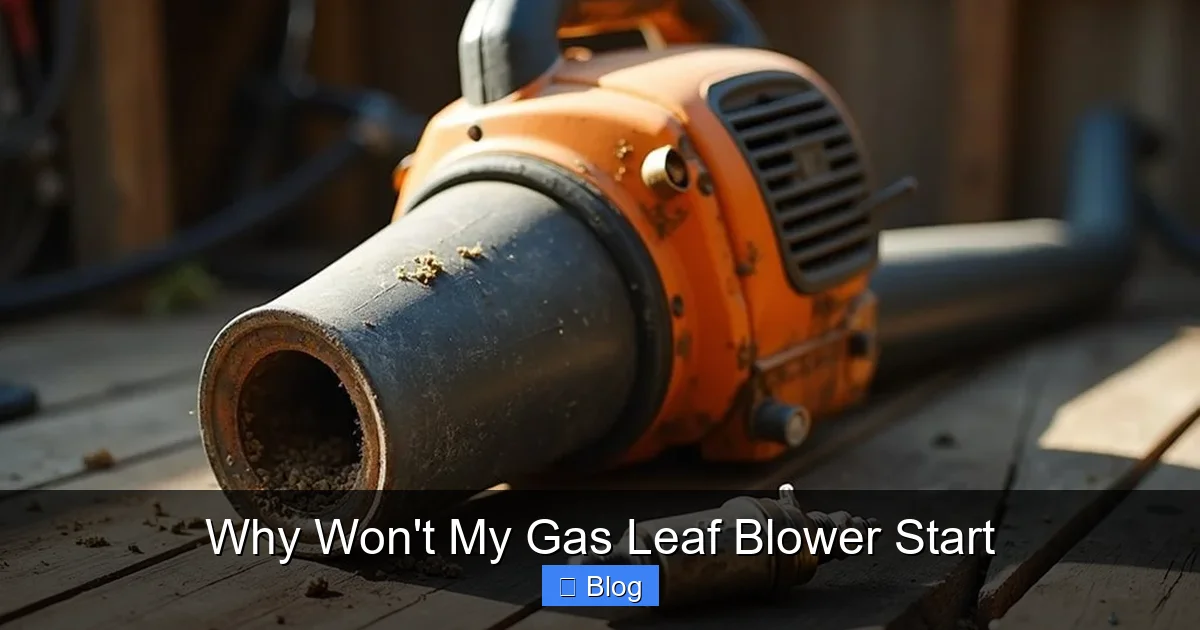
Visual guide about Why Won’t My Gas Leaf Blower Start
Image source: yardique.com
Step 1: Gather Your Gear
Put on safety glasses, gloves, and old clothes. Lay down a drop cloth or work on a clean surface to catch any spills. Disconnect the spark plug wire right away—this prevents accidental starts while you’re fixing things.
Step 2: Prepare Your Workspace
Park your blower on a flat, stable surface away from kids and pets. Have a fire extinguisher handy, just in case. If it’s been sitting unused, let it warm up to room temperature to avoid condensation issues.
Pro tip: Double-check your owner’s manual for model-specific warnings. Different brands like Echo or Stihl might have unique quirks, but these basics apply to most 2-stroke gas leaf blowers.
Check the Basics: Fuel and Primer Issues
Fuel problems are the number one culprit when asking why won’t my gas leaf blower start. Gas leaf blowers run on a mix of gasoline and oil, and if that’s off, the engine starves. Let’s start here—it’s quick and often the fix.

Visual guide about Why Won’t My Gas Leaf Blower Start
Image source: yardique.com
Step 1: Inspect the Fuel Level and Quality
Open the fuel cap and check if there’s gas in the tank. If it’s empty, fill it with fresh, unleaded gasoline mixed at a 50:1 ratio with 2-stroke oil (check your manual for the exact mix). Stale fuel from last season can gum up the works—ethanol in modern gas absorbs water and breaks down after 30 days.
If the gas smells sour or looks cloudy, drain it completely. Use a siphon or turkey baster to remove old fuel, then add fresh mix. Example: For a 1-gallon tank, that’s about 2.6 ounces of oil to 50:1.
Step 2: Prime the Engine
Locate the primer bulb—usually a red or black rubber button near the carburetor. Press it 3-5 times firmly until fuel flows visibly inside (some models have a window). This floods the carburetor with gas for an easier start.
Tip: If the bulb is cracked or soft, replace it. A faulty primer can mimic a no-fuel issue, and they’re cheap—under $10 at hardware stores.
After priming, set the choke to full (cold start) and pull the starter cord 5-8 times. If it coughs but doesn’t catch, move to the next section.
Examine the Spark Plug: Ignition Troubles
If fuel’s good but no start, the spark plug might be the villain. This small electrode creates the spark to ignite the fuel-air mix. A dirty or dead plug is a classic reason why won’t my gas leaf blower start, especially after wet weather or heavy use.
Step 1: Remove and Inspect the Spark Plug
With the spark plug wire disconnected, use a socket wrench (usually 13/16-inch) to loosen and remove the plug. Look for black soot (rich fuel mix), white ash (lean mix), or oil fouling. The electrode should be clean and gap at 0.020-0.030 inches—use a feeler gauge to check.
Example: If it’s wet and oily, your carburetor might be flooding. Dry and crusty? Could be a lean condition from a clogged filter.
Step 2: Clean or Replace It
Wire brush the plug gently to remove deposits, or soak in carb cleaner for tough gunk. Re-gap if needed, then test for spark: Reconnect the wire, hold the plug against the engine block (use insulated pliers), and pull the cord. Look for a blue spark.
No spark? The ignition coil might be bad—consider professional help. Reinstall with anti-seize on threads, torque to 15-20 ft-lbs. Fresh plugs cost $5-10 and last a season.
Practical tip: Change the plug annually during tune-ups. It’s like an oil change for your car—prevention beats cure.
Clean the Air Filter: Airflow Blockages
Your blower needs air as much as fuel. A clogged air filter chokes the engine, making it hard to start. Dust from leaves builds up fast, so this is another top answer to why won’t my gas leaf blower start.
| Problem | Symptom | Possible Fix | Time Estimate |
|---|---|---|---|
| Fuel Issues | No fuel smell; dry primer bulb | Drain old gas, add fresh 50:1 mix | 5 minutes |
| Spark Plug Fault | Pulls easy but no ignition | Clean or replace plug; check gap | 10 minutes |
| Air Filter Clog | Engine bogs down; hard to rev | Wash/replace foam filter | 5 minutes |
| Primer Bulb Failure | Bulb won’t fill with fuel | Replace bulb assembly | 15 minutes |
| Carburetor Clog | Starts then dies; inconsistent | Spray clean jets; full rebuild if needed | 20-60 minutes |
| Choke/Starter Linkage | Choke sticks; won’t engage | Lubricate or adjust linkage | 10 minutes |
| Flooded Engine | Floods after many pulls | Wait 15 min, use throttle start | 15 minutes |
Step 1: Locate and Remove the Filter
Most filters are behind a snap-on cover near the carburetor. Unscrew or unclip it, then pull out the foam or paper element. If it’s foam (common in budget models), it’s reusable; paper ones need replacing.
Step 2: Clean and Reinstall
For foam: Wash with warm soapy water, squeeze dry, and apply a few drops of 2-stroke oil. Let it air dry. Paper filters? Tap gently to remove debris, or replace if torn (kits are $5-15).
Reinstall securely. Now try starting—better airflow often revives a sluggish engine. Example: After a big leaf-clearing job, clean the filter right away to avoid buildup.
Tip: In dusty areas, check monthly. A clean filter improves performance and fuel efficiency too.
Troubleshoot the Carburetor: Deeper Fuel Delivery Problems
If basics are covered, the carburetor could be clogged. This mixes fuel and air, but gunk from old gas or dirt stops it cold. Carb issues explain many cases of why won’t my gas leaf blower start.
Step 1: Basic Carb Cleaning
Remove the air filter cover and loosen the carb bolts (usually two). Spray carb cleaner into the intake and throttle valve. Work the throttle linkage by hand to loosen debris.
Tip: Avoid over-spraying—too much can flood the engine. Let it dry for 10 minutes before reassembling.
Step 2: Full Disassembly if Needed
For stubborn clogs, remove the carb completely (mark hoses first). Soak jets in cleaner overnight, then blow out with compressed air. Reassemble with new gaskets if worn.
Example: If your blower sat over winter with ethanol gas, varnish likely formed—full cleaning fixes 80% of these. Kits with rebuild parts run $20-40.
Warning: This step requires patience; if unsure, take it to a small engine shop for $50-100.
Troubleshooting Cheat Sheet
Need a fast overview? Use this table to match symptoms with fixes when wondering why won’t my gas leaf blower start. It’s your go-to for quick decisions.
Advanced Checks: Beyond the Basics
Sometimes, the issue isn’t obvious. Let’s cover less common but fixable problems that could be why your gas leaf blower won’t start.
Step 1: Test the Ignition Coil
If no spark after a new plug, the coil might be weak. Use a spark tester tool ($10) connected between the plug and wire. Pull the cord—if no consistent spark, replace the coil ($30-50).
Example: Coils fail from heat or moisture; test in dry conditions.
Step 2: Check Fuel Lines and Filter
Inspect rubber lines for cracks—replace if brittle. The in-tank filter (if present) can clog; pull it out with a hook and clean or swap.
Tip: Use ethanol-free gas for long-term storage to prevent line degradation.
Step 3: Starter Cord and Recoil
If the cord won’t pull smoothly, the recoil spring might be tangled. Disassemble the housing carefully and rewind. Worn cords snap—replace the whole assembly for safety.
Maintenance to Prevent Future Starts
Fixing is great, but prevention is better. Regular care keeps you from repeating why won’t my gas leaf blower start next time.
Run the engine dry before storage, or add stabilizer. Clean after every 10 hours of use. Annual tune-ups—new plug, filter, and fuel—extend life to 5+ years.
Example: I once revived a 3-year-old blower by just draining winter fuel. Simple habits save headaches.
Conclusion
There you have it—a full roadmap to solving why won’t my gas leaf blower start. From fuel woes to spark hiccups, these steps cover 90% of issues with basic tools and elbow grease. Remember, patience pays off; rushing can lead to bigger problems. If your blower’s ancient or damaged, a new one might be wiser—modern models start easier with electric assists. Grab your gloves, follow along, and enjoy that satisfying hum. Your yard will thank you!