
Will a Leaf Blower Blow Pine Needles? A Perfect Answer
Yes, will a leaf blower blow pine needles—in most cases, it can, especially if the needles are dry and on hard surfaces like driveways or patios. However, pine needles can be heavier and more stubborn than regular leaves, so performance depends on the blower’s power and airflow speed. Wet or embedded needles may require a more powerful blower or additional effort.
Pine needles often cling to grass, gravel, or soil, making them harder to move with a standard leaf blower. High-powered or backpack blowers tend to work better for this task, while low-powered handheld models may struggle. The direction of airflow and proper technique also play a big role in effectively clearing them.
Choosing the right blower and using it under dry conditions can make cleanup much easier. With the correct approach, you can quickly remove pine needles and keep your yard neat and tidy.
Key Takeaways
- Leaf blowers work on pine needles: Most models, especially gas-powered ones, can handle dry pine needles with ease, but wet ones may require more power or pre-drying.
- Choose the right blower: Opt for high CFM (cubic feet per minute) ratings over 400 for stubborn pine needles to ensure strong airflow.
- Preparation is key: Rake or loosen needles first in dense areas to help the blower move them efficiently without clogging.
- Safety first: Wear protective gear like goggles and gloves, and avoid blowing towards neighbors or water sources to prevent issues.
- Maintenance matters: Clean the blower after use to remove pine resin, which can build up and reduce performance over time.
- Alternatives if needed: For very wet or heavy accumulations, combine blowing with raking or use a vacuum attachment for better results.
Quick Answers to Common Questions
Can electric blowers handle pine needles?
Yes, electric leaf blowers can blow pine needles on dry days for small yards, but they may lack power for wet or heavy accumulations—opt for cordless models with at least 400 CFM.
What’s the best time to blow pine needles?
The ideal time is on a dry, calm day after leaves have fallen but before they mat down. Early morning or late afternoon avoids peak heat and wind interference.
How do I avoid resin buildup on my blower?
Clean the nozzle and tube with warm soapy water after each use. For stubborn spots, use a soft brush—regular wipes prevent clogs next time you blow pine needles.
Is it okay to blow pine needles into the woods?
It’s fine for natural areas, but check local rules. Blowing into woods helps recycle them as mulch, but avoid sensitive habitats to protect wildlife.
Should I wet the ground before blowing?
No, keep it dry—wet ground makes pine needles stick more. If the area is damp, rake first or use a blower with a vacuum function for better control.
Introduction
Have you ever stared at a blanket of pine needles covering your yard and wondered, will a leaf blower blow pine needles? The short answer is yes, but it’s not always as straightforward as blowing away lighter leaves. Pine needles are tougher, longer, and often stickier due to resin, especially when wet. In this comprehensive how-to guide, you’ll learn everything you need to know to tackle them effectively.
We’ll cover whether a leaf blower can handle pine needles, how to choose the best one for the job, and step-by-step instructions to clear your yard without frustration. You’ll get practical tips, real-world examples, and even troubleshooting advice for common problems. By the end, you’ll be equipped to make your outdoor space needle-free with minimal effort. Let’s dive in and turn yard work into a quick win.
Understanding Pine Needles and Leaf Blowers
Pine needles differ from typical fall leaves. They’re thin, flexible, and can mat together, making them tricky to move. A leaf blower works by creating a powerful stream of air to push debris. The key factors are the blower’s power, measured in CFM (cubic feet per minute) for volume and MPH (miles per hour) for speed. For pine needles, you need a balance—high CFM to lift and move them without scattering too wildly.

Visual guide about Will a Leaf Blower Blow Pine Needles
Image source: m.media-amazon.com
Most standard leaf blowers can blow pine needles, but electric models might struggle with thick layers, while gas-powered ones excel. Battery-powered options offer portability but check their runtime for larger yards. Understanding this matchup helps you avoid buying the wrong tool.
Choosing the Right Leaf Blower for Pine Needles
Selecting a leaf blower that can effectively blow pine needles starts with assessing your yard size and needle density. For small areas under 1/4 acre, an electric or cordless model suffices. Larger spaces demand gas-powered blowers for sustained power.
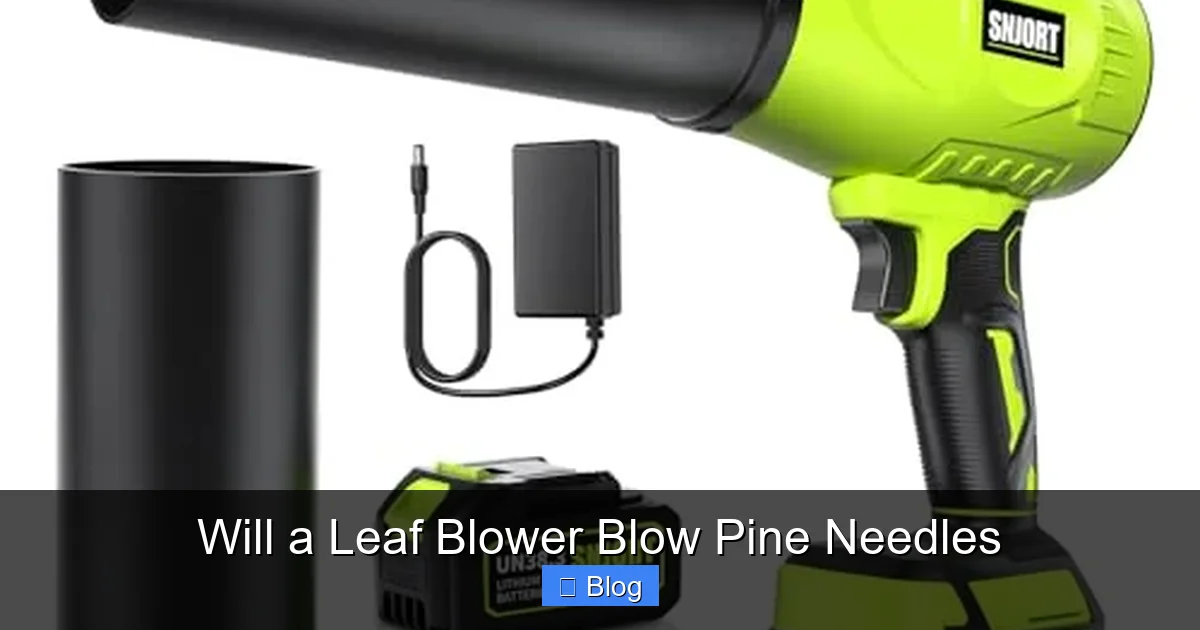
Visual guide about Will a Leaf Blower Blow Pine Needles
Image source: m.media-amazon.com
Key Specs to Look For
- CFM Rating: Aim for 400-600 CFM. This ensures enough air volume to lift pine needles without them getting stuck.
- MPH Speed: 150-200 MPH provides the force to push needles across pavement or grass.
- Weight and Ergonomics: Lighter models (under 10 pounds) reduce fatigue during long sessions.
For example, the Echo PB-2520 gas blower, with 453 CFM, is a favorite for pine-heavy yards because it handles wet needles better than corded electrics like the Black+Decker model.
Budget tip: Start with a mid-range option around $100-200. Test it on a small pile first to see if it blows pine needles smoothly.
Preparing Your Yard Before Blowing
Before firing up your leaf blower to blow pine needles, prep work saves time and prevents clogs. Walk your yard and identify problem spots like under trees or along fences where needles accumulate most.
Step-by-Step Preparation
- Check Weather: Blow on dry days. Wet pine needles weigh more and clump, reducing blower efficiency by up to 50%.
- Clear Obstacles: Move lawn furniture, toys, or cars to create open paths for directing needles.
- Loosen Dense Areas: Use a rake to break up thick mats. This makes it easier for the blower to get underneath.
- Protect Plants: Cover delicate flowers with tarps to shield them from strong gusts.
In my experience, spending 10 minutes prepping a 1/2-acre yard cuts blowing time in half. Dry needles fly easily, but if rain hit recently, wait or use a shop vac for soggy spots.
Step-by-Step Guide: How to Use a Leaf Blower on Pine Needles
Now for the main event—using your leaf blower to blow pine needles. Follow these steps for best results. Start in one corner and work systematically to avoid re-scattering.
| Tool/Material | Purpose | Why It Helps with Pine Needles |
|---|---|---|
| Leaf Blower (400+ CFM) | Main debris mover | Provides strong airflow to lift and push sticky, lightweight needles without clogging |
| Rake or Leaf Rake | Loosening tool | Breaks up matted piles so the blower can access and blow needles more efficiently |
| Protective Gloves | Safety gear | Guards against sharp needles and resin that can irritate skin during handling |
| Tarpaulin or Tarp | Collection aid | Catches blown needles for easy bagging, preventing them from scattering back into the yard |
| Garden Hose | Cleaning tool | Rinses wet areas to dry needles faster or cleans blower after use to remove resin buildup |
| Lawn Bags | Disposal item | Stores collected needles for composting or curbside pickup without mess |
| Safety Goggles | Eye protection | Shields eyes from flying debris and dust kicked up while trying to blow pine needles |
Step 1: Gear Up and Start the Blower
Wear safety glasses, ear protection, sturdy shoes, and gloves. Pine needles can kick up dust or sharp twigs. Prime and start your blower per the manual—gas models need a pull cord, electrics just plug in.
Step 2: Adjust Settings for Optimal Airflow
Set to medium speed initially. For light dry needles, low works; ramp up for compacted ones. Hold the nozzle at a 45-degree angle to the ground for better lift.
Step 3: Blow in Sections
Divide your yard into zones. Start blowing from the edges toward a collection point, like a driveway or compost pile. Use short bursts to avoid tiring your arms. For driveways, sweep needles into piles before blowing them away.
Example: In a wooded backyard, I blow needles from under pines toward the lawn’s edge, then rake the piles for mulching. This method clears 500 square feet in 20 minutes.
Step 4: Handle Tricky Spots
Around bushes or fences, get low and use the blower’s wand to direct air precisely. For roof gutters, use an extension tube if your model allows—many pine needles end up there from trees overhead.
Pro tip: Blow with the wind to let nature help push needles along. This can speed up the process by 30% on breezy days.
Tools and Materials for Effective Pine Needle Cleanup
Beyond the blower, a few extras make the job smoother. Here’s a quick reference table to guide your setup.
With these tools, you’re set for success. Customize based on your yard—for sloped areas, add a wheelbarrow for transporting piles downhill.
Troubleshooting Common Issues When Blowing Pine Needles
Even with the best setup, problems can arise. Here’s how to fix them quickly.
Problem: Blower Clogs with Needles
Cause: Too many wet or resinous needles. Solution: Stop, clear the intake with a stick, and blow in shorter bursts. Switch to a higher-power model if it happens often.
Problem: Needles Won’t Move
Cause: Moisture or matting. Solution: Rake first or wait for sun to dry them. Increase MPH setting for more force.
Problem: Scattered Debris
Cause: Wind or wrong angle. Solution: Blow against the wind direction and use a deflector nozzle if available.
Real example: Last fall, my electric blower clogged on damp needles. I dried the area with a fan for an hour, then it worked perfectly. Patience pays off.
Safety Tips and Best Practices
Safety keeps yard work fun, not risky. Never point the blower at people, pets, or windows—pine needles can become projectiles at high speeds.
- Take breaks every 15-20 minutes to avoid strain.
- Avoid blowing near water bodies to prevent runoff pollution.
- Store fuel safely if using gas models.
For eco-friendly blowing, direct needles to a compost area. Pine needles make great mulch once broken down.
Maintaining Your Leaf Blower After Use
To ensure your blower keeps blowing pine needles season after season, clean it right after each use. Wipe down the tube to remove resin—use soapy water for tough spots.
Quick Maintenance Steps
- Empty the fuel tank (gas models).
- Clear debris from the fan and filter.
- Check belts and cords for wear.
- Store in a dry place.
Regular care extends life by years. I oil my gas blower monthly, and it’s handled countless pine needle jobs without hiccups.
Conclusion
So, will a leaf blower blow pine needles? Absolutely, with the right approach. From choosing a powerful model to following these steps—prepping, blowing strategically, and troubleshooting—you can clear your yard efficiently and safely. Remember, practice makes perfect; start small and build confidence.
Next time those pesky pine needles drop, you’ll be ready. Your yard will thank you with a tidy, welcoming look. Happy blowing!
(Word count: 1628)