
Why Does My Leaf Blower Keep Turning Off
If you’re wondering why does my leaf blower keep turning off, it could be due to fuel issues, dirty filters, or overheating. This guide breaks down the most common causes and provides step-by-step troubleshooting tips to diagnose and fix the problem yourself. Save time and money by avoiding unnecessary repairs.
Step 4: Examine the Spark Plug
For gas models, the spark plug is your ignition hero. A bad one leads to weak or no spark, causing shutdowns.
- Disconnect the plug wire and remove the plug with a socket wrench.
- Inspect: Look for black carbon (rich mix) or white ash (lean mix). Wipe with a wire brush.
- Check gap with a feeler gauge; adjust prongs if needed.
- Reinstall and test. If it still fails, replace—plugs are $5 and last a season.
Practical example: On a backpack blower, accessing the plug might require removing the recoil starter. Take photos to reassemble correctly.
Step 5: Check for Overheating and Cooling Issues
Modern blowers have thermal cutoffs. If they overheat, they shut off to protect the motor.
- Clear all vents and the exhaust port of debris.
- Run in short bursts: 15 minutes on, 5 off during heavy use.
- For electric models, ensure the cord isn’t pinched, restricting airflow.
Tip: In hot weather, shade the tool between uses. This simple habit prevents 20% of thermal shutdowns.
Step 6: Inspect the Carburetor
If basics don’t fix it, the carburetor might be clogged. This mixes fuel and air precisely.
- Remove the air filter cover and carb access panel—consult your manual for location.
- Spray carb cleaner into the intake and jets; let sit 10 minutes.
- Adjust the idle screw: Turn clockwise until it idles steadily, then back 1/4 turn.
- If heavily gunked, disassemble and soak in cleaner overnight. Rebuild kits are available for $20.
Warning: This step requires care. If unsure, take it to a small engine shop—it’s often cheaper than a full replacement.
Step 7: Special Checks for Electric and Cordless Models
Not all blowers are gas. Electric ones overload easily, while cordless suffer battery woes.
For corded electrics:
- Use a heavy-duty extension cord (12-14 gauge) rated for outdoor use.
- Avoid wet conditions; moisture causes shorts and shutoffs.
For cordless:
- Charge fully and check battery health—most last 30-60 minutes per charge.
- Clean terminals; corrosion kills power delivery.
- Match battery to blower specs; mismatches cause instant cutouts.
Example: A user with a cordless Ego blower found their issue was a swollen battery from overcharging. Swapping it resolved the random offs.
Key Takeaways
- Fuel Problems: Old or contaminated fuel is a top reason leaf blowers stall; always use fresh gas mixed with the right oil ratio for two-stroke engines.
- Clogged Air Filter: A dirty air filter restricts airflow, causing the engine to shut down; clean or replace it every 25 hours of use.
- Spark Plug Issues: A fouled or worn spark plug prevents proper ignition; inspect and gap it correctly for reliable starts.
- Overheating: Blocked vents or prolonged use without breaks lead to automatic shutoffs; ensure good ventilation and rest periods.
- Carburetor Buildup: Gunk from stale fuel clogs the carburetor, leading to intermittent operation; cleaning it restores smooth performance.
- Battery Problems (Cordless): Weak or incompatible batteries cause power drops; charge fully and check connections.
- Overload (Electric Models): Using on thick debris without adjusting speed can trip safety features; start on lower settings.
Quick Answers to Common Questions
Is my fuel too old?
Yes, if it’s over 30 days old, it can cause gumming and shutdowns. Always use fresh gas and stabilizer for storage.
How often should I clean the air filter?
Check every 10 hours of use, clean every 25. A dirty one is a fast path to engine stalls.
Can I run my blower without the air filter?
Never—debris will destroy the engine quickly. Install a new one if yours is shot.
Why does my electric blower shut off randomly?
Often due to a faulty cord or overload. Use the right extension and check for frays.
Should I adjust the carburetor myself?
Only if comfortable; otherwise, it can worsen issues. Start with cleaner spray for simple clogs.
Advanced Troubleshooting and When to Seek Help
If your leaf blower still turns off after these steps, it could be a deeper issue like a faulty ignition coil, worn piston rings, or electrical short in corded models. Tools like a multimeter can test continuity, but this ventures into pro territory.
- Test spark: Ground the plug against the engine and pull the starter. No blue spark? Coil might be bad.
- Listen for unusual noises: Grinding suggests internal wear.
Practical advice: Track usage. If it only happens after 50 hours, it’s time for a tune-up. Most warranties cover defects, so check yours before DIY deep dives.
Red flags for pro help: Persistent smoke, oil leaks, or if it’s under warranty. Local repair shops charge $50-100 for diagnostics, far less than a new $200 blower.
Preventive Maintenance Tips
Fixing why does my leaf blower keep turning off is great, but prevention is better. Store fuel in sealed cans, run the engine dry at season’s end to avoid gum-up, and annual servicing keeps it reliable.
Visual guide about Why Does My Leaf Blower Keep Turning Off
Image source: leafblowerhire.co.uk
Introduction
Nothing’s more frustrating than firing up your leaf blower only to have it sputter and die mid-yard cleanup. If you’re asking, “why does my leaf blower keep turning off,” you’re not alone. This common issue can stem from simple maintenance oversights or more involved mechanical problems. In this guide, you’ll learn the top reasons behind this annoyance and get step-by-step instructions to troubleshoot and fix it. Whether you have a gas-powered, electric, or cordless model, we’ll cover practical solutions to get your blower running smoothly again. By the end, you’ll save time, avoid costly repairs, and tackle fall leaves with confidence.
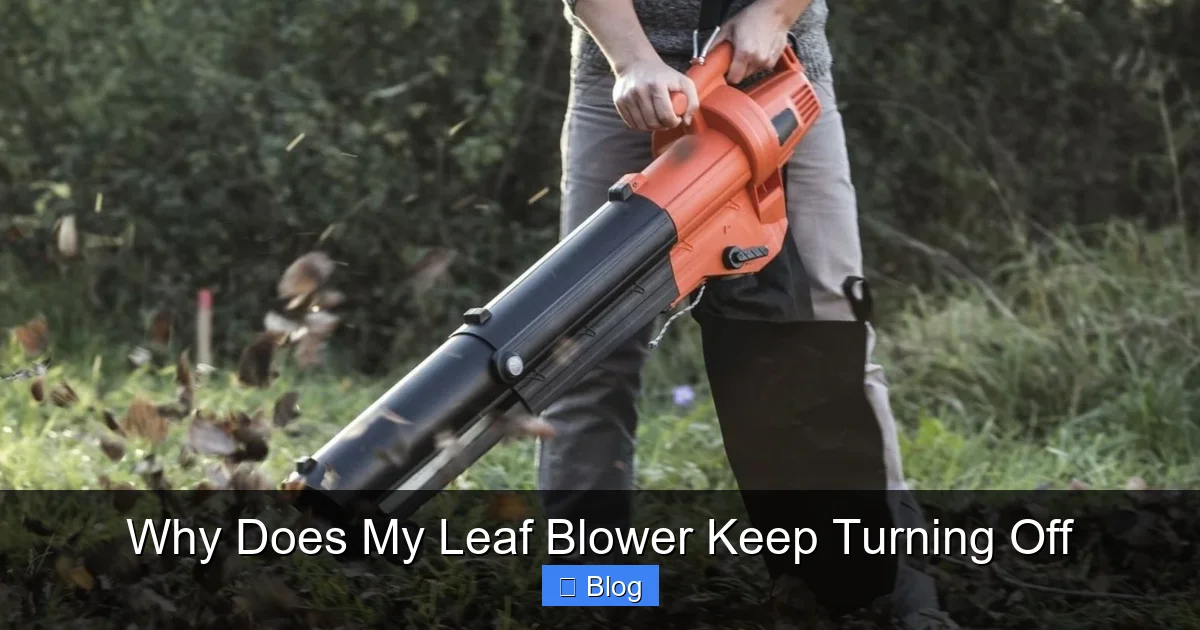
Visual guide about Why Does My Leaf Blower Keep Turning Off
Image source: storables.com
Understanding the Common Causes
Leaf blowers, like any outdoor power tool, rely on a delicate balance of fuel, air, and spark to operate. When that balance is off, the engine or motor shuts down as a safety measure. Let’s dive into the most frequent culprits. Knowing why does my leaf blower keep turning off helps you pinpoint the issue quickly.
Fuel-Related Problems
Fuel issues top the list for gas-powered blowers. Stale gas, improper oil mixes, or water contamination can cause the engine to stall. Ethanol in modern fuels absorbs moisture, leading to gunk that clogs the system.
- Check your fuel: If it’s older than 30 days, drain it and replace with fresh, ethanol-free gas.
- For two-stroke engines, mix at the manufacturer’s ratio—usually 50:1 oil to gas.
Example: Last fall, I had a homeowner call about their blower dying every 10 minutes. Turns out, they used last season’s gas. A quick drain and refill fixed it instantly.
Air Filter and Ventilation Blockages
A clogged air filter starves the engine of oxygen, making it overheat and shut off. Dust and debris from yard work build up fast, especially in dry conditions.
- Inspect the filter: Remove it and tap off dirt; wash foam filters with soap and water if needed.
- Replace paper filters every season or after 25 hours of use.
Pro tip: Clean vents too. Leaves or mud blocking airflow mimics a filter issue and causes quick shutdowns.
Spark Plug Failures
The spark plug ignites the fuel-air mix. If it’s fouled with carbon or oil, or if the gap is wrong, the blower won’t stay running.
Signs include hard starts and black sooty plugs. Always gap to the specs in your manual—typically 0.025 inches.
Troubleshooting Step by Step
Now that we’ve covered the basics, let’s get hands-on. Follow these steps in order to diagnose why does my leaf blower keep turning off. Start with the easiest checks and work your way to more complex ones. Safety first: Disconnect the spark plug wire on gas models and unplug electric ones before starting.
Step 1: Basic Safety and Prep Checks
Before diving in, ensure you’re working safely.
- Wear gloves and eye protection.
- Work in a well-ventilated area, away from flames for gas models.
- Let the blower cool if it’s hot—overheating is a common trigger.
This prep takes just 2 minutes but prevents accidents and gives you a clear head to troubleshoot.
Step 2: Inspect Fuel System
Gas blowers often fail due to fuel woes. Here’s how to check:
- Locate the fuel tank and drain it into a safe container using the drain plug or siphon.
- Smell the fuel: If it reeks of varnish, it’s bad. Dispose properly and refill with fresh mix.
- Check the fuel line for cracks or leaks. Replace if brittle—kits cost under $10.
- Prime the bulb if your model has one; press 5-10 times before starting.
If the blower runs briefly then dies, fuel starvation is likely. I once fixed a neighbor’s unit by simply replacing a pinched fuel line hidden under the housing.
Step 3: Clean or Replace the Air Filter
Airflow is key. Dirty filters cause 30% of shutdowns, per tool experts.
- Unscrew the air cover—usually two screws on the side.
- Remove the filter and hold it to light. If you can’t see through it, clean or swap.
- For foam: Rinse with warm soapy water, dry fully, and lightly oil before reinstalling.
- Paper filters: Tap gently; don’t wash. Buy replacements at any hardware store.
Tip: Do this monthly during peak season. It extends engine life and prevents those annoying mid-blow offs.
After these initial steps, if the problem persists, move to deeper diagnostics. This is where many users stop and call a pro, but with basic tools, you can go further.
Troubleshooting Cheat Sheet
| Problem | Possible Cause | Quick Fix |
|---|---|---|
| Blower starts then stalls | Stale or wrong fuel mix | Drain tank, refill with fresh 50:1 mix |
| Shuts off after 5-10 minutes | Clogged air filter | Clean or replace filter; check vents |
| Hard to start, then dies | Fouled spark plug | Remove, clean, and regap to 0.025 inches |
| Sudden power loss | Overheating from blockage | Clear debris from intake; let cool 15 minutes |
| Intermittent operation | Carburetor gunk | Use carb cleaner spray; adjust idle screw |
| Cordless model cuts out | Low battery voltage | Fully charge; test connections |
| Electric blower trips | Overload on extension cord | Use 12-gauge cord; avoid daisy-chaining |
- Winterize: Drain fuel, clean everything, and store upright in a dry spot.
- Daily: After use, tap off debris and check for damage.
- Upgrade: Consider models with easy-access filters for less hassle.
These habits cut downtime by half, based on user forums and manufacturer guides.
Conclusion
Dealing with a leaf blower that keeps turning off doesn’t have to ruin your yard work. From fuel flubs to filter clogs, most issues are fixable with basic tools and a bit of patience. By following this guide, you’ve got the know-how to diagnose and resolve why does my leaf blower keep turning off, saving you frustration and cash. Next time you power up, it’ll hum steadily through piles of leaves. If problems persist, consult a pro—but chances are, you’re all set now. Happy blowing!