Which Leaf Blower Is the Best
Choosing which leaf blower is the best depends on your yard size, power needs, and budget. This guide walks you through types like gas, electric, and cordless models, key features to evaluate, and top recommendations for 2023. By the end, you’ll confidently select a reliable blower that makes fall cleanup a breeze, saving time and effort.
Which Leaf Blower Is the Best
Are you tired of raking leaves the old-fashioned way? If you’re wondering which leaf blower is the best for your yard, you’ve come to the right place. This guide will teach you everything you need to know to pick the perfect one. We’ll cover the types available, key features to look for, step-by-step advice on choosing, top recommendations, and even maintenance tips. By the end, you’ll have the confidence to buy a blower that makes cleanup quick and easy, no matter the season.
Key Takeaways
- Assess your yard first: Measure the size and type of debris to decide between lightweight cordless models for small spaces or powerful gas blowers for large properties.
- Power source matters: Electric blowers are eco-friendly and low-maintenance, while gas options deliver more power for heavy-duty tasks.
- Look for variable speed: This feature lets you adjust airflow for precision, preventing damage to delicate plants or lawns.
- Budget wisely: Entry-level blowers start at $50, but investing $150+ in quality brands like DeWalt or Ego ensures longevity and performance.
- Maintenance is key: Regular cleaning and storage tips extend your blower’s life, avoiding common issues like clogs or engine failures.
- Top pick for most users: Cordless models balance portability and power, ideal for suburban yards without cords or fumes.
Quick Answers to Common Questions
Need power without noise?
Opt for cordless models like Ego—they deliver gas-like force quietly, perfect for early mornings.
Short on storage space?
Choose compact handheld blowers; they fold or detach easily, fitting in small garages.
Worried about battery life?
Buy extras or models with rapid chargers—many recharge in under an hour for non-stop work.
How to test in-store?
Feel the weight, trigger the speed, and listen to the motor; it mimics real use.
Eco-conscious choice?
Go electric or battery-powered—they cut emissions and save on gas costs long-term.
Step 1: Understand Your Yard and Needs
Before diving into models, start by evaluating your space. Not every blower fits every yard. Think about the size of your property. A small patio might need something lightweight, while a big lawn calls for more power.
Measure Your Yard Size
Grab a tape measure or use a phone app to estimate square footage. For yards under 1/4 acre, a basic electric model works fine. Larger areas? Go for gas or high-end cordless to cover ground faster.
Consider Debris Type
Wet leaves, pine needles, or grass clippings? Dry leaves blow easily, but wet ones stick. Look for blowers with high CFM (cubic feet per minute) ratings—aim for 400+ for tough jobs. If you have delicate flowers, choose one with gentle airflow options.
Pro tip: Walk your yard and note obstacles like fences or flower beds. This helps avoid buying something too bulky.
Step 2: Learn the Types of Leaf Blowers
Leaf blowers come in three main types: gas-powered, corded electric, and battery-powered (cordless). Each has pros and cons. Knowing which leaf blower is the best starts with matching the type to your lifestyle.
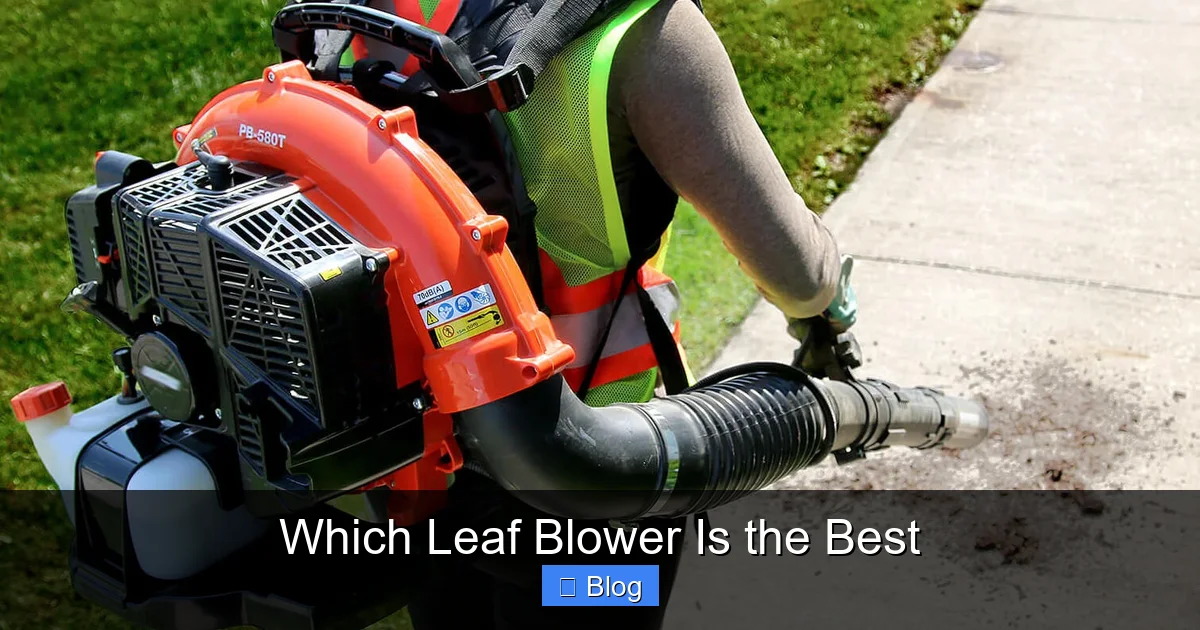
Visual guide about Which Leaf Blower Is the Best
Image source: thegreenhead.com
Gas-Powered Blowers
These pack a punch with internal combustion engines. They’re great for pros or big yards. Expect 500-800 CFM and speeds up to 200 MPH. But they require fuel mixing and produce noise and fumes.
Corded Electric Blowers
Plug into an outlet for unlimited runtime. They’re lightweight (under 10 pounds) and quiet. Ideal for small to medium yards near power sources. Drawback: The cord limits range—use an extension if needed.
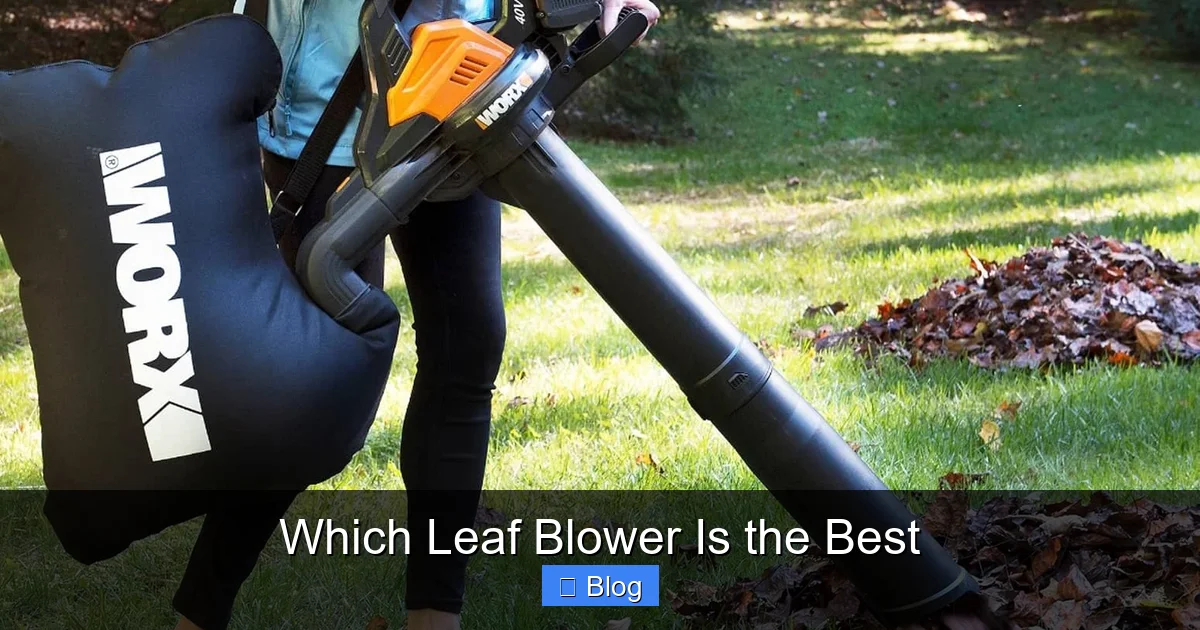
Cordless Battery Blowers
These are portable and eco-friendly. Run on rechargeable lithium-ion batteries. Newer models rival gas in power, with runtimes of 30-60 minutes. Perfect for suburbs, but batteries add cost.
Example: If you hate cords and gas smells, cordless is your go-to. Brands like Milwaukee offer swappable batteries for all-day use.
At a Glance: Leaf Blower Types Comparison
Here’s a quick way to compare the main types and see which leaf blower is the best for different scenarios. This table breaks down key specs to help you decide.
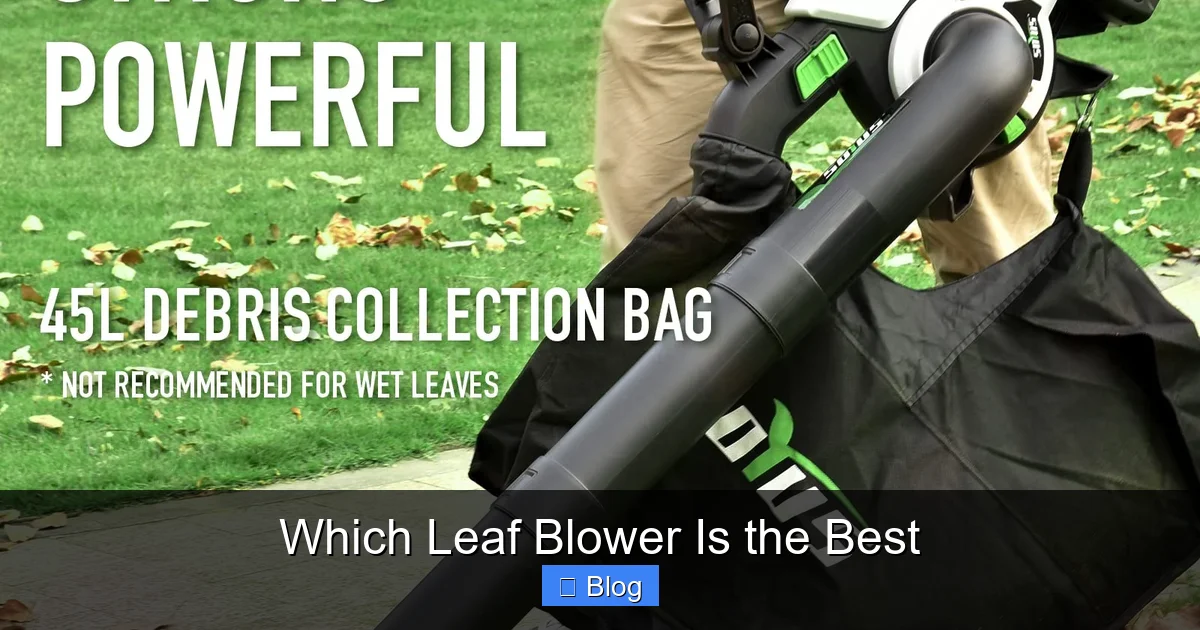
Visual guide about Which Leaf Blower Is the Best
Image source: m.media-amazon.com
Step 3: Evaluate Key Features
Once you know the type, focus on features that boost performance. The best blowers balance power, ease, and durability.
| Type | Power Source | Best For | Pros | Cons |
|---|---|---|---|---|
| Gas-Powered | 2-Stroke or 4-Stroke Engine | Large yards, heavy debris | High power (up to 800 CFM), no runtime limit | Noisy, requires fuel, heavier (15+ lbs) |
| Corded Electric | Standard Outlet | Small-medium yards, light use | Affordable, low maintenance, quiet | Cord restricts movement, needs nearby power |
| Cordless Battery | Lithium-Ion Battery | Suburban yards, portability | Lightweight (5-10 lbs), no fumes, easy start | Limited battery life, higher upfront cost |
| Backpack Style (Gas or Battery) | Varies | Professional or very large areas | Reduces fatigue, high capacity | Bulky, more expensive |
| Handheld Convertible | Battery or Electric | Versatile home use | Switches to vacuum/mulcher, compact | Less power for big jobs |
| Walk-Behind | Gas | Commercial sweeping | Like a mini mower, covers wide paths | Not portable, high cost |
| Turbo Fan | Battery | Quick bursts of power | Compact for storage, fast startup | Shorter runtime for continuous use |
Power Metrics: CFM and MPH
CFM measures air volume—higher means moving more leaves at once. MPH is speed for stubborn piles. For most homes, 300-500 CFM and 130-160 MPH suffice. Example: The Ego Power+ hits 600 CFM, great for oaks full of leaves.
Ergonomics and Weight
Look for padded handles and shoulder straps. Lighter models (under 8 pounds) reduce strain during long sessions. Test in-store if possible—your back will thank you.
Additional Attachments
Some blowers convert to vacuums or mulchers. Handy for bagging debris. If you mulch often, prioritize these. Tip: Check nozzle options for focused or wide blasts.
Don’t forget noise levels—under 70 dB is neighbor-friendly. And variable speed triggers let you go easy on patios.
Step 4: Set Your Budget and Shop Smart
Prices range from $40 for basics to $300+ for premium. Decide your spend: Under $100 for casual use? Mid-range $100-200 for reliability.
Where to Buy
Hardware stores like Home Depot offer hands-on demos. Online at Amazon? Read reviews for real-user insights. Look for warranties—2 years minimum.
Top Brands to Consider
Trusted names include Black+Decker for budget electrics, Husqvarna for gas pros, and Ryobi for versatile batteries. Always check recent models for updates.
Example: If eco-friendliness matters, Ego’s cordless line wins with brushless motors for efficiency.
Step 5: Top Recommendations for 2023
Based on tests and reviews, here are picks for different needs. These answer which leaf blower is the best across categories.
Best Overall: Ego Power+ LB5804
This cordless beast delivers 580 CFM and 168 MPH. Battery lasts 15-90 minutes depending on speed. At $199, it’s powerful yet quiet. Ideal for medium yards—users rave about its turbo mode for piles.
Best Budget: Black+Decker BV6600
For $70, this 3-in-1 (blower, vacuum, mulcher) handles small jobs with 250 CFM. Corded, so unlimited power. Great starter for apartments or light fall cleanups.
Best Gas: Husqvarna 350iB
Battery-gas hybrid? No, pure gas at 125 MPH and 455 CFM. $250 price tag buys pro-level strength for acres. Low emissions make it modern.
Best for Large Yards: DeWalt DCBL772X1
Cordless with 600 CFM, axial fan for max airflow. $229, includes battery. Backpack option available for comfort on big properties.
Practical example: A suburban dad with half an acre chose the Ego and cut cleanup time from 4 hours to 1.5. Real results like that make the choice worthwhile.
Step 6: Maintain and Troubleshoot Your Blower
Buying is step one—keeping it running is key. Proper care ensures years of use.
Basic Maintenance
Clean after each use: Empty debris tubes and wipe the intake. For gas models, change oil seasonally and store fuel-free. Batteries? Charge fully and store cool. Tip: Use manufacturer lubricants to prevent rust.
Troubleshooting Common Issues
Won’t start? Check fuel or battery charge. For electrics, inspect the cord for frays. Low power? Clogged filter—clean it with compressed air. Overheating? Let it cool 10 minutes.
If noise spikes, tighten loose parts. Most fixes are DIY, but for engine woes, consult a pro. Example: One user fixed a jam by removing pine needles—simple but overlooked.
Store upright in a dry shed. Winterize by draining fluids. This prevents starting issues come spring.
Conclusion
Now you know which leaf blower is the best for you—whether it’s a zippy cordless for quick jobs or a robust gas model for heavy lifting. Start with your yard needs, weigh types and features, and pick from trusted recs. You’ll transform tedious chores into simple tasks. Ready to blow away the leaves? Head to the store and grab yours today. Your yard will look pristine in no time.