What to Look for When Buying a Leaf Blower
Choosing the right leaf blower is essential for keeping your yard pristine without unnecessary strain. This guide helps you navigate the different power types, performance metrics, and ergonomic features to ensure you find a model that perfectly matches your lawn’s specific needs.
There is nothing quite as satisfying as turning a leaf-covered lawn into a clean, manicured masterpiece. However, trying to accomplish this with a rake can be back-breaking work. That is where a high-quality leaf blower comes into play. If you are currently shopping for a leaf blower, you might feel overwhelmed by the sheer number of options on the market. From noisy gas-guzzlers to silent, battery-powered marvels, there is a lot to unpack.
In this guide, we will break down exactly what you need to look for when buying a leaf blower. By the end of this article, you will understand the technical jargon, the pros and cons of different power types, and the features that will make your yard maintenance a breeze instead of a chore.
Key Takeaways
- Understand Power Sources: Choose between gas, corded electric, or battery power based on your yard size and physical strength.
- Prioritize CFM and MPH: CFM moves volume, while MPH handles heavy or wet debris; look for a balance of both.
- Consider Weight and Ergonomics: A lighter tool prevents fatigue during long sessions, so check the balance and handle design.
- Noise Levels Matter: Always check decibel ratings, especially if you live in a neighborhood with strict noise ordinances.
- Maintenance vs. Convenience: Evaluate if you prefer the low-maintenance nature of electric models or the unlimited runtime of gas units.
Quick Answers to Common Questions
Should I buy a blower-vac combo?
If you have limited space for storage and want to reduce the volume of leaves, a blower-vac is a great investment. Just remember that the shredding process can be a bit dusty, so it’s best for dry, lighter leaves.
How often should I clean the blower?
You should wipe down the exterior and check the intake vents after every use. A quick check of the air filter (for gas models) should be part of your seasonal maintenance schedule.
Are high-MPH models always better?
Not necessarily. While high MPH helps move heavy, wet debris, it can be too aggressive for clearing leaves near delicate plants or light garden decorations. Variable speed is more important than raw top-end speed.
Do I need ear protection?
Yes, absolutely. Even quiet electric models operate at decibel levels that can cause long-term hearing damage over extended use. Always wear earplugs or earmuffs when operating power equipment.
Can I use a blower for snow?
Most leaf blowers are excellent for clearing light, powdery “fluff” snow from walkways or car windshields. However, they are not effective for heavy, wet, or packed snow, and you should never use them to move ice.
Evaluating Your Power Source Options
The first decision you must make is how your leaf blower will be powered. This choice dictates how long you can work, how much noise you will make, and how much maintenance your machine will require.
Gas-Powered Blowers
Gas blowers are the traditional workhorses of the lawn care world. They offer incredible power and total freedom of movement, as they are not tethered to a cord. They are perfect for large properties where you need to move heavy, wet leaves. However, they come with drawbacks: they are heavy, require regular engine maintenance (like mixing oil and gas), and create significant noise and exhaust fumes.
Corded Electric Blowers
If you have a smaller yard, a corded electric blower might be your best friend. These units are lightweight, quiet, and extremely reliable because they do not rely on batteries or fuel. You simply plug them in and go. The primary limitation is the length of your extension cord, which restricts your range significantly.
Battery-Powered Blowers
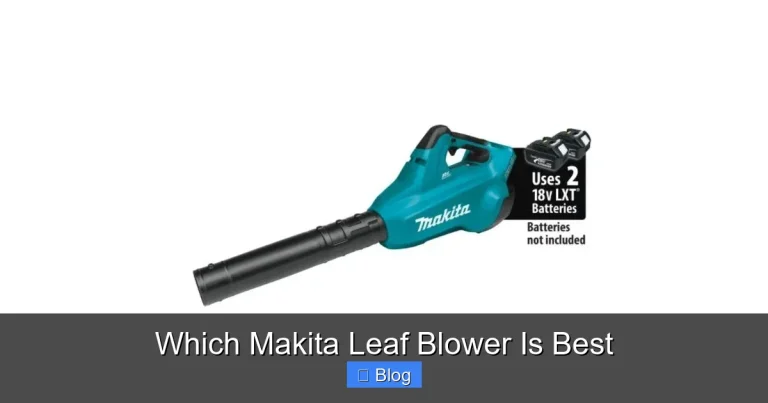
The industry is shifting rapidly toward cordless, battery-powered technology. Modern lithium-ion batteries have improved to the point where they can rival gas power in many applications. They are quiet, emission-free, and very easy to start. While they have a limited runtime, having a spare battery on standby makes this a non-issue for most homeowners.
At a Glance: Comparing Blower Types
When selecting your ideal leaf blower, it helps to compare the primary characteristics of each power source. Use the table below to determine which category aligns best with your property size and usage preferences.

Visual guide about what to look for when buying a leaf blower
Image source: wikihow.com
Understanding Performance Specs: CFM and MPH
When you read the box of a leaf blower, you will likely see two acronyms: CFM and MPH. These represent the performance of the machine, and understanding them is crucial for getting the job done efficiently.
What is CFM?
CFM stands for Cubic Feet per Minute. This number tells you the volume of air the blower pushes out. A high CFM rating is excellent for clearing large areas quickly. If you have a massive pile of light, dry leaves, a high CFM will move that pile in seconds.

Visual guide about what to look for when buying a leaf blower
Image source: i.pinimg.com
What is MPH?
MPH stands for Miles Per Hour. This represents the velocity or speed of the air. High velocity is what you need to move heavy, wet, or stuck-on debris. If you frequently deal with damp leaves that are matted to your lawn, look for a blower with a higher MPH rating.
The Perfect Balance
You do not necessarily need the highest number in both categories. A blower with high CFM but low MPH is a “leaf mover,” while a blower with high MPH but low CFM is a “leaf blaster.” For most homeowners, a middle-ground model that offers a good balance of both air volume and air speed provides the best experience.
Form Factor and Ergonomics
Buying a leaf blower is not just about what it can do; it is about how it feels in your hands. If the machine is too heavy or vibrates excessively, you will not want to use it. Consider the weight and how you will carry it.
| Type | Best For | Maintenance | Run Time |
|---|---|---|---|
| Gas | Large yards / Heavy work | High | Unlimited (with fuel) |
| Corded Electric | Small yards / Driveways | Low | Unlimited |
| Battery | Medium yards / Versatility | Minimal | Limited by charge |
Handheld vs. Backpack
Handheld blowers are lightweight and great for quick jobs around the porch or deck. However, if you have a larger property, holding a blower for 30 minutes can strain your wrist and arm. Backpack blowers move the weight of the motor to your shoulders and back, which is significantly more comfortable for extended sessions. While they look a bit intimidating, they are often much easier to operate for longer periods.
Vibration Levels
Excessive vibration can cause fatigue and even nerve discomfort over time. Look for models that emphasize “anti-vibration” technology. These often include rubberized handles or dampened motor mounts that isolate the shaking from your hands.
Additional Features to Look For
Sometimes, it is the small details that make a leaf blower a great purchase. Before you finalize your choice, check for these extra quality-of-life features:
- Variable Speed Control: This is vital. You do not always need maximum power. A variable speed trigger allows you to use a low setting when blowing leaves near flower beds (so you don’t blow away the mulch) and full power for the open lawn.
- Vacuum/Mulcher Mode: Some blowers can also act as vacuums. They suck up leaves and shred them into a collection bag. This is a game-changer if you want to create compost or mulch for your garden.
- Tube Design: Look for a nozzle that is easy to attach or detach. Some blowers feature “concentrator” nozzles that focus the airflow for tighter, more precise work.
- Noise Rating: Check the decibel (dB) rating. If you live in an HOA-controlled neighborhood, you might be required to use a tool that stays under a certain noise limit.
Troubleshooting Common Blower Issues
Even the best leaf blowers can run into trouble occasionally. Knowing how to handle small hiccups can save you from a trip to the repair shop. If your blower is underperforming, check these items first.
If your blower is losing power or won’t start, the first culprit is usually the air intake. Debris can get sucked into the intake screen, choking the engine or motor. Always ensure the intake screen is clean and clear of dust and leaves before every use.
For gas models, old fuel is the number one enemy. If the engine won’t turn over, drain the fuel tank and add fresh, stabilized gasoline. For battery units, if you notice the blower cutting out suddenly, it is often due to an overheated battery. Take a break, let the battery cool down in the shade, and ensure you are not operating the unit at full throttle 100% of the time.
Conclusion
Choosing the right leaf blower is about matching your tool to your yard’s specific challenges. By prioritizing the right power source, understanding the impact of CFM and MPH, and choosing a design that feels comfortable in your hands, you can transform seasonal yard work into a simple, efficient task.
Take your time to read the specifications on the box and remember that bigger is not always better—it is about the right fit for your property. Whether you choose a nimble cordless model for quick cleanups or a powerful backpack unit for major leaf management, having the right tool will make you look forward to the fall season rather than dreading it.