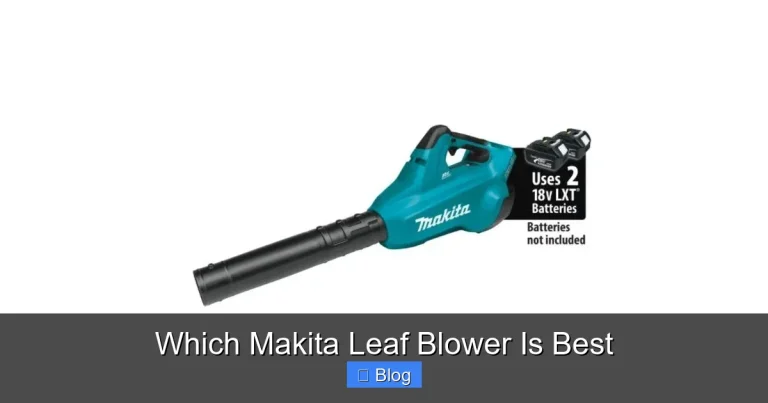

What’s a Leaf Blower
A leaf blower is a versatile landscaping tool designed to move debris like grass clippings and autumn leaves using a powerful stream of air. By choosing the right model, you can transform your yard work from a back-breaking chore into a quick and efficient task.
If you have ever spent a crisp autumn afternoon raking leaves only to watch the wind undo your hard work, you have likely asked yourself, “what’s a leaf blower and can it save me time?” A leaf blower is essentially an engine or motor connected to a fan that propels a high-velocity stream of air through a nozzle. This tool turns hours of manual labor into minutes of easy cleanup. In this guide, we will explore the mechanics, the different types available, and how you can master this tool to keep your property looking pristine.
Key Takeaways
- Understanding Power Sources: You can choose between gas, electric corded, or battery-powered leaf blowers based on your yard size and mobility needs.
- Safety First: Always wear hearing protection, safety glasses, and sturdy shoes when operating a blower to avoid injury.
- The “Windrow” Technique: Master the art of creating long piles of debris to make collection significantly faster.
- Maintenance Matters: Regularly cleaning air filters and checking fuel lines or battery contacts extends the life of your equipment.
- Consider Your Neighbors: Be mindful of noise ordinances and time-of-day restrictions when using high-decibel gas models.
Quick Answers to Common Questions
Can I blow leaves onto the street?
Check your local city ordinances first; many municipalities prohibit blowing leaves into the street as they can clog storm drains and create road hazards.
How do I handle wet leaves?
Wet leaves are significantly heavier than dry ones. Use the highest power setting on your blower and work in smaller sections to ensure the stream of air can effectively lift the debris.
Should I wear a mask?
Yes, especially if the leaves are dry. A mask protects you from inhaling mold spores, dust, and fine debris that the blower will inevitably kick up.
Can I use a blower on gravel?
Be very careful. A leaf blower will easily move gravel along with the leaves. Use a low power setting and hold the nozzle at a shallow angle to “float” the leaves off the surface.
How often should I clean the air filter?
It is best to check your filter every few uses. If you work in a particularly dusty environment, clean it after every use to maintain peak performance.
Mastering the Art of Airflow
Knowing what’s a leaf blower is only half the battle; knowing how to direct that air is the other half. Many beginners make the mistake of blowing air directly into a pile, which only scatters debris in every direction. Instead, you should aim for a “sweeping” motion.
The Low-Angle Approach
Always hold the nozzle close to the ground. This keeps the debris controlled and prevents excessive dust from kicking up into your face. Using a low, sweeping motion—much like you would use a push broom—keeps your leaves moving in a controlled stream.
Creating Windrows
Professional landscapers use a technique called “windrowing.” This involves blowing leaves from the edges of your yard toward a central line or row. Once you have a long, organized line of debris, you can blow the entire row toward your final collection point, such as a tarp, a compost heap, or a yard waste bag.
Safety Protocols for Every Operator
Because leaf blowers operate by moving air at speeds exceeding 150 miles per hour, they can easily displace rocks, sticks, and heavy grit. Never point the blower at people or pets. Eye protection is non-negotiable, as small debris can be launched like a projectile toward your face.
Choosing the Right Leaf Blower for Your Needs
Before you start blowing, you need the right tool. Not every leaf blower is built for every yard. If you have a small patio, a heavy-duty professional blower might be overkill. Conversely, if you have two acres of wooded property, a corded electric model will leave you tethered and frustrated.
Gas-Powered Blowers
These are the workhorses of the industry. They offer the most freedom because they aren’t restricted by cords or charging times. However, they are heavier, louder, and require engine maintenance, such as changing spark plugs and mixing fuel.

Visual guide about what’s a leaf blower
Image source: cdn.imweb.me
Electric Corded Models
If you have a small to medium lawn, these are fantastic. They are lightweight, quiet, and relatively maintenance-free. The downside is obvious: you are limited by the length of your extension cord.
Battery-Powered Blowers
This is the fastest-growing category. They offer the mobility of gas without the fumes or noise. Modern lithium-ion batteries provide impressive power, though you may need a spare battery for larger properties.
Understanding Your Equipment at a Glance
To get the most out of your machine, you must understand how to match the tool to the debris type. Different surfaces and materials require different airflow patterns and power settings. The following table provides a breakdown to help you manage your yard tasks effectively.
At a Glance: Blower Usage and Maintenance
| Task or Component | Frequency / Method | Best Practice |
|---|---|---|
| Dry Leaf Clearing | As needed | Use low speed to prevent dust |
| Wet/Heavy Debris | High power setting | Use a wide nozzle attachment |
| Air Filter Cleaning | Every 5-10 hours | Wash or replace if clogged |
| Fuel/Battery Check | Before every use | Use fresh fuel mix only |
| Nozzle Inspection | Monthly | Ensure no cracks or debris |
Hearing Conservation
Gas-powered models are notorious for high decibel levels. Prolonged exposure to this noise can cause permanent hearing damage. Always wear earplugs or industrial-grade earmuffs. If you cannot hold a conversation at a normal volume while the machine is off, it is loud enough to warrant protection while it is on.
Managing Dust
If you are working in dry, sandy conditions, you will inevitably kick up dust. Wear a N95-rated mask to prevent inhaling allergens, mold spores, and fine particulate matter. Your lungs will thank you after a long day of yard work.
Troubleshooting Common Issues
Even the best machines can struggle from time to time. If your blower feels sluggish, don’t rush to replace it immediately. Most issues are simple to resolve with a bit of patience and a few basic tools.
Engine Won’t Start
If you have a gas blower, check the fuel. Old gas is the number one killer of small engines. If the fuel is more than 30 days old, drain it and refill with fresh, high-quality gasoline mixed with the correct ratio of two-cycle oil. Next, check the spark plug for carbon buildup.
Loss of Power
If the air stream feels weak, check the intake vent. Often, leaves or plastic bags get sucked against the intake, restricting airflow. Turn the machine off, disconnect the power, and inspect the entire housing for obstructions. If the intake is clear, check your air filter. A clogged filter starves the engine of the oxygen it needs to create power.
The Final Cleanup
After you have successfully gathered your debris, the final step is cleanup. If you are using a blower-vac model, it will shred the leaves into mulch. This is perfect for garden beds. If you aren’t using a vacuum feature, gather the leaves onto a large tarp. Once the pile is dense, you can easily drag the tarp to your compost pile or curbside collection area.
By understanding what’s a leaf blower and how to use it with care and precision, you turn a weekend headache into a quick, satisfying task. Whether you are clearing light grass clippings in the summer or heavy, wet leaves in the fall, these tools are designed to put time back into your day. Remember, the goal is not to force the air to do the work, but to guide the debris to the destination with minimal effort. Happy blowing!