
Will a Leaf Blower Blow Wet Leaves? Exact Answer
Will a leaf blower blow wet leaves? Yes, a leaf blower can blow wet leaves, but it is less effective compared to dry leaves because the added moisture makes them heavier and more likely to stick to the ground. You may still move them, but it often requires a more powerful blower and closer range.
Wet leaves tend to clump together and cling to surfaces like grass, soil, or pavement. This means you might need to adjust your technique—such as using short bursts of air or switching to a higher power setting—to get better results. In some cases, a leaf vacuum or rake may work more efficiently.
For best performance, try to clear leaves when they are dry or only slightly damp. If you must deal with wet leaves, using a high-powered blower and working in sections can make the task easier and faster.
Key Takeaways
- Leaf blowers can handle wet leaves: Most modern models work on damp leaves, but results vary by blower type and leaf wetness.
- Preparation is key: Clear debris and use the right nozzle to prevent clogs and improve airflow.
- Opt for powerful blowers: Gas-powered or high-CFM electric models perform better on heavy, wet piles.
- Safety first: Wear protective gear and avoid blowing wet leaves toward structures to prevent water damage.
- Alternatives exist: For very soggy leaves, consider raking or a vacuum attachment for easier cleanup.
- Maintenance matters: Clean your blower after use to avoid moisture-related issues.
Quick Answers to Common Questions
Best Nozzle for Wet Leaves?
Use a wide, flat nozzle. It spreads air evenly and prevents clogs from wet clumps.
Electric or Gas for Rainy Days?
Gas blowers are better for heavy wet loads. Electric works fine for light dampness but watch battery life.
Can I Blow After Heavy Rain?
Wait if leaves are waterlogged. Partial drying makes blowing much easier and less messy.
How to Avoid Mud Splatter?
Blow at a low angle and in short bursts. Start from hard surfaces like patios to control debris.
Vacuum Mode on Wet Leaves?
Only if your model allows. Otherwise, stick to blowing and rake leftovers to prevent jams.
Practical Tips for Success
Maximize your leaf blower’s power on wet leaves with these hacks. First, clean as you go. Wet leaves stick to surfaces—blow sidewalks last to avoid re-scattering.
Another tip: Use extensions or wide nozzles for better coverage. They spread air wider, covering more ground faster.
For sloped yards, blow uphill. Gravity helps wet leaves roll into piles. And remember, blowing wet leaves uses more fuel or battery—plan breaks.
Environmental Considerations
Don’t blow wet leaves into storm drains. It clogs them and harms waterways. Instead, compost or bag for yard waste pickup.
Example: In urban areas, check local rules. Some cities ban blowing debris into streets.
Troubleshooting Common Issues
Problems happen when blowing wet leaves. Here’s how to fix them quickly.

Visual guide about Will a Leaf Blower Blow Wet Leaves
Image source: thrivingyard.com
Introduction
Have you ever stared at a yard full of wet leaves after a rainy day and wondered, will a leaf blower blow wet leaves? You’re not alone. Many homeowners face this challenge in fall or after unexpected showers. This how-to guide will teach you everything you need to know about using a leaf blower on wet leaves. We’ll cover if it’s possible, the best techniques, and how to do it safely. By the end, you’ll have a clean yard without the hassle of manual raking. Let’s dive in and make yard work easier.

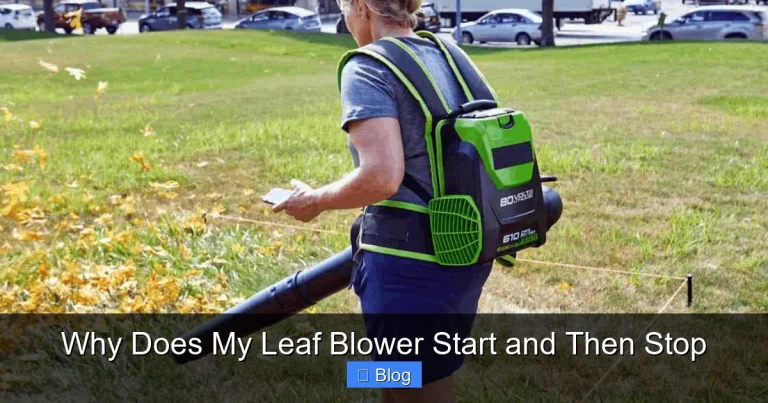
Visual guide about Will a Leaf Blower Blow Wet Leaves
Image source: gardeningtoolsite.com
Understanding How Leaf Blowers Work with Wet Leaves
Leaf blowers use high-speed air to push leaves around. Dry leaves are light and easy to move. But wet leaves? They get heavy and sticky from water and sap. This makes blowing them tougher. Still, most leaf blowers can handle wet leaves if you choose the right one and follow smart steps.
Think about airflow. Measured in cubic feet per minute (CFM), higher CFM means more power. For wet leaves, aim for at least 400 CFM. Speed, in miles per hour (MPH), helps too—look for 150 MPH or more. Electric blowers are lighter but may struggle with thick wet piles. Gas models pack more punch for tough jobs.
Why Wet Leaves Are Different
Wet leaves clump together. Water adds weight, so a gentle breeze won’t cut it. They can also clog the blower if not managed. But with the right approach, you can blow them into piles for easy bagging.
For example, after a light rain, slightly damp leaves move like dry ones. Soaked leaves from a downpour? They might need multiple passes or a rake to loosen them first.
Choosing the Right Leaf Blower for Wet Leaves
Not all leaf blowers are equal when it comes to wet leaves. Pick one that matches your yard size and leaf volume. Handheld models work for small areas. Backpack styles suit bigger yards with heavy loads.
Test your blower on dry leaves first. If it powers through those, it’s likely ready for wet ones. Always check the manual—some brands warn against wet use to avoid warranty issues.
Types of Leaf Blowers
- Electric corded: Affordable and quiet, but limited by cord length. Good for light wet leaves in small yards.
- Cordless battery: Portable and eco-friendly. Choose high-voltage batteries for better wet leaf performance.
- Gas-powered: Most powerful for blowing wet leaves. Heavier, but ideal for large, soggy messes.
A practical tip: If your blower has variable speed, start low to avoid scattering wet leaves everywhere. Ramp up as needed.
Preparing Your Yard and Equipment
Before you start, prep work saves time and frustration. Wet leaves hide hazards like rocks or branches. Scan your yard for these to prevent damage to your blower or injury to yourself.
Also, mow the lawn if grass is long. This lets air flow better under wet leaves. For very wet conditions, wait an hour or two for partial drying if possible.
Gearing Up for Safety
Wear gloves, safety goggles, and closed-toe shoes. Wet leaves can slip, and flying debris is a risk. Ear protection is smart for gas models.
Charge batteries or fill gas tanks. Inspect hoses and nozzles for cracks—moisture can worsen wear.
Step-by-Step Guide to Blowing Wet Leaves
Now, the fun part: actually blowing those wet leaves. Follow these steps for best results. Work on a calm day to avoid wind fighting your efforts.
Step 1: Start with Loose Leaves
Begin at the edges of your yard. Use short bursts of air to nudge wet leaves toward a central pile. Angle the blower nozzle downward at 45 degrees. This pushes leaves without kicking up too much mud.
Example: In a driveway, blow wet leaves toward the street. Avoid aiming at plants—wet blasts can damage delicate flowers.
Step 2: Break Up Clumps
For stubborn wet clumps, use the blower’s turbo mode if available. Or, gently rake the pile first to aerate it. Then blow in sweeping motions, like a broom.
Tip: If leaves are super soggy, add dry leaves from a bag to lighten the mix. This makes blowing easier.
Step 3: Create Piles and Collect
Direct air into neat piles. Use a tarp under piles for quick cleanup. Once piled, switch to vacuum mode if your blower has it—great for sucking up wet debris without mess.
Pro example: In a backyard with trees, blow from tree bases outward. This prevents leaves from piling against fences.
Quick Reference for Blowing Wet Leaves
| Leaf Wetness Level | Recommended Method | Estimated Time per 1,000 sq ft | Tips |
|---|---|---|---|
| Lightly Damp | Standard blower sweep | 10-15 minutes | Use low speed to avoid scattering; ideal for electric models. |
| Moderately Wet | Turbo mode with rake assist | 20-30 minutes | Break clumps first; gas blowers excel here. |
| Heavily Soaked | Multiple passes + vacuum | 40-60 minutes | Wait for partial dry; avoid if possible, use rake instead. |
| Mixed Dry/Wet | Variable speed bursts | 15-25 minutes | Start with dry areas to build momentum. |
| Post-Rain Piles | Angled nozzle push | 25-35 minutes | Clear edges first; wear waterproof gloves. |
| Thick Mulch-Like | Blower + manual agitation | 30-45 minutes | Loosen with a leaf rake; high CFM required. |
Blower Clogging
If air stops flowing, turn off the blower. Unplug or remove the battery. Clear the tube with a stick—never your hand. Rinse with water and dry fully before next use.
Prevention: Avoid sucking up wet leaves in vacuum mode unless specified.
Weak Airflow
Wet debris builds up inside. Disassemble and clean filters. For gas models, check spark plugs. Low power? Upgrade to a higher CFM unit.
Leaves Not Moving
Too wet? Let them dry or rake first. Or, increase speed gradually. If on grass, mow shorter to help air reach leaves.
Tip: Test on a small area. Adjust technique based on results.
Safety Hazards
Slippery wet ground? Wear boots with grip. If leaves hide sharp objects, probe with a rake first. Never blow toward people or pets.
Conclusion
So, will a leaf blower blow wet leaves? Absolutely, with the right prep and technique. You’ve learned how to choose equipment, follow steps, and troubleshoot issues. Next time rain soaks your yard, grab your blower confidently. You’ll save hours compared to raking alone. Keep your tools clean, stay safe, and enjoy a tidier space. Happy yard work!
(Word count: 1624)