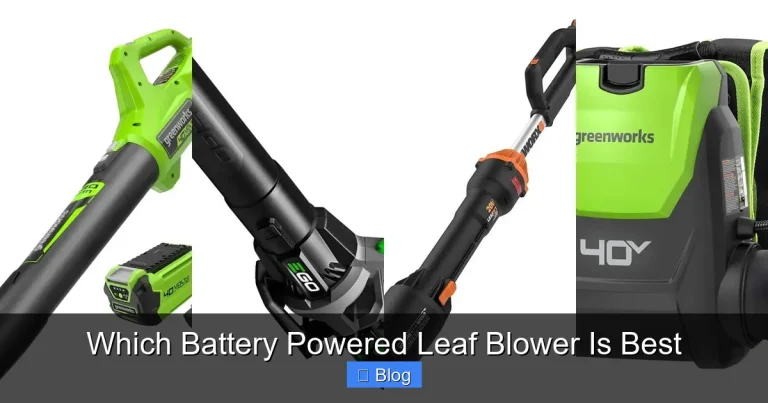

What Is the Strongest Backpack Leaf Blower
Finding the strongest backpack leaf blower is essential for tackling heavy debris and large properties with ease. This guide breaks down the critical metrics of CFM and MPH, helping you identify the high-performance tools that define industry standards for power and efficiency.
When you are managing a large landscape or dealing with heavy, wet leaves, a standard handheld blower simply won’t cut it. You need the raw, unbridled power of the strongest backpack leaf blower on the market. But what exactly defines “strength” in the world of landscaping tools? Is it just the speed of the air, or is it the volume of air pushed per minute? In this guide, we will walk you through exactly what makes a blower truly powerful, how to select the right model for your specific needs, and how to harness that power effectively.
Key Takeaways
- CFM vs. MPH: Volume (CFM) moves the pile, while velocity (MPH) lifts stuck-on debris; you need a balance of both for maximum power.
- Engine Displacement: For the strongest performance, look for gas-powered units with high CC ratings, typically 75cc or higher.
- Weight Distribution: Power means nothing if the unit is too heavy; prioritize models with ergonomic backplates and ventilated straps.
- Maintenance Matters: Keeping your air filters and spark plugs clean is the secret to maintaining top-tier power output over time.
- Safety First: The strongest blowers create immense noise and force; always wear hearing protection and eye goggles during operation.
Quick Answers to Common Questions
How do I know if I need a professional blower?
If you have more than a half-acre of land, thick tree coverage, or frequently deal with wet, matted leaves, a professional-grade 70cc+ blower will save you hours of labor compared to standard residential models.
Does a larger engine always mean a better blower?
While larger engines provide more torque and air volume, they also increase the weight of the unit. The “best” blower for you is the one with enough power to finish your work quickly, but still comfortable enough to wear without causing back strain.
Should I choose 2-stroke or 4-stroke engines?
2-stroke engines are lighter and offer a better power-to-weight ratio, which is why most top-tier professional blowers use them. 4-stroke engines are generally cleaner and quieter, but they are often heavier and more complex to maintain.
How often should I clean my blower?
You should inspect the air intake and outer casing after every single use. Performing a deep clean of the spark plug and air filter every 20-30 hours of operation will keep your machine running at its maximum factory power levels.
Is it worth buying a refurbished model?
Refurbished professional-grade units can be a great value, provided they come from a reputable dealer and include a warranty. Ensure the fan assembly and housing are inspected for cracks or damage, as these are the core components that generate the air pressure.
Understanding the Mechanics of Power
To identify the strongest backpack leaf blower, you have to look beyond marketing buzzwords. Manufacturers often shout about “MPH” (miles per hour), but velocity alone isn’t enough to clear a yard. A high MPH rating will move light, dry leaves, but if that air stream is too narrow, it won’t move heavy piles of wet debris. This is where CFM (cubic feet per minute) comes into play. CFM measures the volume of air—think of it as the “width” of your power. The best, most powerful blowers balance high CFM for moving bulk material with high MPH for clearing stubborn, stuck-on leaves.
For professional-grade equipment, you should look for machines that offer over 800 CFM and 200 MPH. While these numbers are impressive, they also dictate the physical size of the engine. Most industry-leading blowers utilize two-stroke or hybrid four-stroke engines with displacements between 65cc and 80cc. If you are serious about maximum clearing capability, focus your search on these high-displacement, professional-tier models.
At a Glance: Performance Comparison
When you are shopping for the strongest backpack leaf blower, it helps to know how different specifications impact your daily work. The following table provides a quick reference to help you gauge whether a model is built for light yard work or heavy-duty commercial property management.

Visual guide about what is the strongest backpack leaf blower
Image source: m.media-amazon.com
Choosing Your Heavy-Duty Blower
When selecting your tool, consider the terrain. If you have a flat, sprawling lawn, you might prefer a model with a higher CFM to move large rows of leaves quickly. If your property features tight corners, stairs, or heavily planted garden beds, you need a blower with a responsive throttle and a focused nozzle that provides maximum air velocity. The strongest backpack leaf blower isn’t just a number on a box; it’s the tool that fits your unique property geography.
| Feature | Residential Tier | Professional Tier |
|---|---|---|
| Engine Size | 40cc – 50cc | 75cc – 80cc+ |
| Air Volume (CFM) | 500 – 650 | 850 – 1100+ |
| Air Speed (MPH) | 150 – 170 | 200 – 225+ |
| Weight | 18 – 22 lbs | 24 – 30 lbs |
| Usage Intensity | Occasional | All-day heavy duty |
Assessing Engine Displacement
Always check the CC (cubic centimeter) rating. This is a proxy for the engine’s displacement, which determines how much power the machine generates. For extreme tasks, aim for anything above 70cc. These engines are designed to run for hours without overheating, providing consistent force throughout the day.
Evaluating Ergonomics and Comfort
A 28-pound blower is a significant piece of gear. When you wear it for two hours, the weight adds up. Check for models that include a ventilated backpad and wide, padded shoulder straps. Some of the most powerful units also feature an “anti-vibration” system, which prevents the engine’s power from shaking your back, reducing fatigue significantly during long sessions.
Best Practices for Operating High-Power Blowers
Using the strongest backpack leaf blower requires a bit of technique to ensure you aren’t fighting the machine. Because these units push out so much air, they can produce significant back-pressure or “torque” against your arm. Always maintain a steady, wide stance and keep the nozzle pointed toward the ground at a 45-degree angle. This directs the air beneath the debris, lifting it up rather than just pushing it across the surface.
Techniques for Large Piles
If you are clearing a massive yard, work from the outside in. Create a perimeter and then work toward a central collection point. This keeps your piles manageable and ensures you aren’t chasing leaves back and forth across the grass. Use the machine’s cruise control feature, which is common on professional models, to lock in your throttle speed. This prevents your hand from cramping and ensures a consistent flow of air.
Safety Guidelines
The strongest blowers are loud. Exposure to decibel levels common with these machines can damage your hearing rapidly. Always wear high-quality, NRR-rated ear protection. Additionally, because the sheer force of the air can kick up dust, pebbles, and twigs at high speeds, impact-resistant goggles are non-negotiable. Never blow debris toward windows, cars, or other people, as the projectile speed can cause damage or injury.
Troubleshooting Common Power Loss
If you find that your blower is struggling, don’t assume the motor is broken. Most “power loss” issues stem from simple maintenance gaps. If the machine seems sluggish, perform these checks:
Check the Air Filter
A dirty air filter is the number one enemy of performance. If the engine can’t breathe, it can’t produce the force you need. Check the filter before every use and replace it if it appears caked with dust or organic matter.
Inspect the Fuel System
Old gas is a major problem for two-stroke engines. If you leave fuel in the tank for months, it can gum up the carburetor. Always use fresh fuel, and consider adding a fuel stabilizer if you live in a region with long off-seasons. If the blower still hesitates, a clogged fuel filter may be preventing fuel from reaching the combustion chamber.
Clear Intake Screens
Look at the back of the blower housing where the fan intake is located. Often, debris like dry grass or leaves will get sucked against the screen, restricting airflow. Clear this area regularly to ensure the fan has a clear path to pull air into the housing.
Conclusion
The strongest backpack leaf blower is a transformational tool for property owners who value efficiency and performance. By prioritizing engines with high CC ratings, balancing CFM and MPH, and maintaining your machine with care, you can turn a grueling weekend chore into a quick, satisfying task. Whether you are clearing wet autumn leaves or managing commercial-grade landscaping debris, investing in the right high-power blower is a decision that pays off in saved time and physical effort. Remember to prioritize comfort and safety features alongside raw power to ensure your machine is a pleasure to use for seasons to come.