
Why Does My Stihl Leaf Blower Bog Down
If you’re wondering why does my Stihl leaf blower bog down, it often stems from simple issues like dirty filters or fuel problems that starve the engine of power. This guide walks you through diagnosing and fixing these culprits step by step, so you can get back to yard work without frustration. With practical tips and a troubleshooting cheat sheet, you’ll save time and money on repairs.
Key Takeaways
- Understand bogging: Bogging happens when your Stihl leaf blower loses power under load, often due to fuel, air, or spark issues.
- Check fuel first: Old or stale gas is a top reason why Stihl leaf blowers bog down; always use fresh fuel mixed correctly.
- Clean the air filter: A clogged filter restricts airflow, causing the engine to stall—simple cleaning can fix it quickly.
- Inspect the spark plug: A fouled plug leads to poor ignition; replacing it often resolves hesitation during use.
- Carburetor maintenance: Buildup in the carb can cause bogging; cleaning or adjusting it restores smooth performance.
- Prevent future issues: Regular upkeep like seasonal storage prep keeps your blower running strong year-round.
- When to seek help: If basic fixes fail, professional service might be needed for deeper engine problems.
Quick Answers to Common Questions
Always Use Fresh Fuel?
Yes! Stale gas is the number one reason Stihl leaf blowers bog down. Mix new 50:1 fuel weekly and add stabilizer for storage to keep things running smooth.
Quick Air Filter Check?
Inspect after every 10 hours. A dirty filter starves the engine—clean foam ones with soap and water, or replace paper filters for instant power boost.
Spark Plug Gap Right?
Set it to 0.02 inches for most Stihl models. Wrong gap causes misfires and bogging; use a feeler gauge for accuracy.
Carb Cleaner Safe?
Absolutely, but use Stihl-approved spray. It dissolves gunk without harming seals—spray jets thoroughly and let dry before reassembly.
Storage Tip?
Run the tank dry and store in a cool, dry place. This prevents fuel varnish that leads to bogging next season.
Introduction: Tackling Why Your Stihl Leaf Blower Bogs Down
Hey there, fellow yard warrior! If you’ve ever fired up your Stihl leaf blower only to have it sputter and lose power mid-blow, you’re not alone. That frustrating bogging—where the engine hesitates or stalls under load—is a common headache for Stihl owners. In this guide, we’ll dive into why does my Stihl leaf blower bog down and show you how to fix it step by step. You’ll learn the main culprits, from fuel woes to dirty parts, and get hands-on tips to get your blower roaring again. By the end, you’ll troubleshoot like a pro and keep your tool in top shape. Let’s clear the air—literally!
Understanding What Bogging Means for Your Stihl Leaf Blower
Bogging down isn’t just annoying; it’s your blower’s way of saying something’s off. When your Stihl leaf blower bogs, the engine runs rough, especially when you squeeze the throttle. It might rev high at idle but choke when you push it. This usually points to an imbalance in the air-fuel mix or ignition problems. Stihl blowers, like the popular FS series or handheld models, are built tough, but they still need TLC to perform.
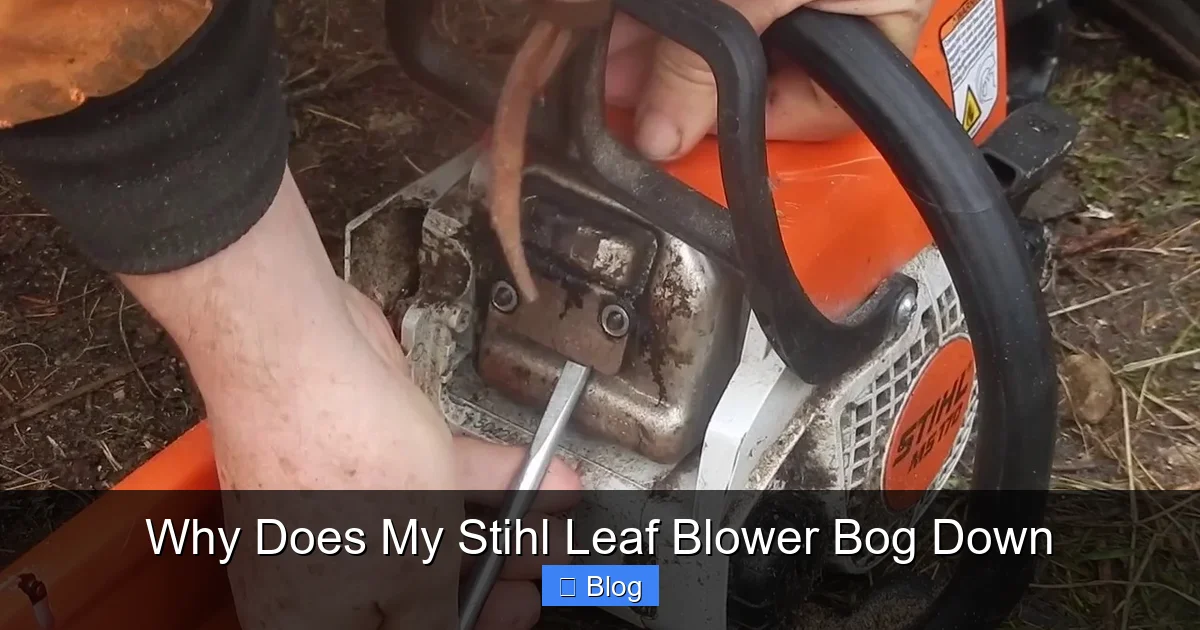
Visual guide about Why Does My Stihl Leaf Blower Bog Down
Image source: i.ytimg.com
Why does this happen? Most times, it’s not a major breakdown. Simple neglect, like skipping maintenance, lets debris and gunk build up. For example, after a season of heavy use, leaves and dirt can clog vital parts. Don’t worry—we’ll cover the basics first, then move to deeper checks. Grab your safety glasses and gloves; it’s time to diagnose.
Common Causes: Why Does My Stihl Leaf Blower Bog Down?
Let’s break down the usual suspects. Understanding these helps you pinpoint the issue fast. The top reasons your Stihl leaf blower bogs down boil down to three areas: fuel delivery, air intake, and spark. Fuel problems top the list because gas goes bad quickly in small engines.
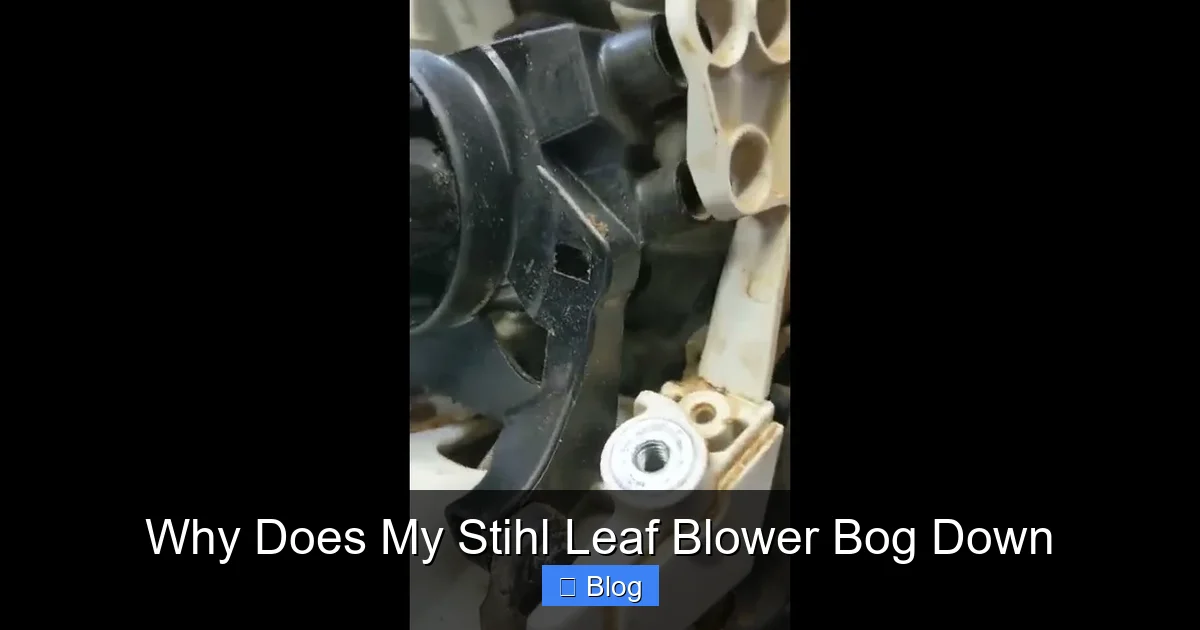
Visual guide about Why Does My Stihl Leaf Blower Bog Down
Image source: i.ytimg.com
Fuel-Related Issues
Stale fuel is enemy number one. If you’ve left gas in the tank over winter, it turns gummy and clogs the system. Ethanol in modern gas absorbs water, worsening things. Always mix 2-stroke oil correctly—Stihl recommends 50:1 ratio for most models. Wrong mix? Your blower starves for lubrication and bogs.
Another tip: Use fresh fuel and add a stabilizer if storing for over a month. I’ve seen blowers revive instantly after a tank drain and refill.
Airflow Problems
Your blower needs clean air to breathe. A dirty air filter chokes the engine, leaning out the fuel mix. In dusty yards, this happens fast. Check it after every 10 hours of use, per Stihl’s manual.
Exhaust restrictions, like a clogged muffler, can back up pressure too. Listen for unusual sounds—that’s a clue.
Spark and Ignition Woes
A weak spark plug fouls easily from rich fuel or oil. It leads to incomplete burns, causing bogging under load. Worn wires or coils are rarer but possible in older units.
Pro tip: If your blower starts fine but bogs when hot, ignition is likely the villain.
Step-by-Step Troubleshooting: Diagnose and Fix the Bog
Ready to roll up your sleeves? Follow these steps in order. Start simple—no need to tear everything apart right away. Safety first: Disconnect the spark plug wire before any work to avoid accidental starts.
| Problem | Signs | Quick Fix |
|---|---|---|
| Stale Fuel | Hard starts, bogging after warmup | Drain tank, refill with fresh 50:1 mix |
| Clogged Air Filter | Loss of power in dusty conditions | Clean or replace filter every 10 hours |
| Fouled Spark Plug | Misfires, black soot on plug | Gap to 0.02 inches or replace (NGK CMR6H) |
| Carburetor Clog | Inconsistent idle, surges | Clean jets with carb cleaner spray |
| Fuel Line Blockage | No fuel flow when primed | Flush lines or replace if cracked |
| Exhaust Restriction | Overheating, blue smoke | Clean muffler screen |
| Ignition Coil Wear | Weak spark, bogging when hot | Test with spark tester; replace if needed |
Step 1: Inspect and Refresh the Fuel System
Begin here because it’s the easiest and most common fix for why your Stihl leaf blower bogs down.
- Drain the old fuel into a safe container. Use a siphon or turkey baster—don’t pour from the tank if it’s full.
- Check the fuel lines for cracks or leaks. Squeeze them; if brittle, replace with Stihl OEM parts.
- Refill with fresh 50:1 mix. Run the engine for a minute to circulate it.
Example: On my FS 56, draining stale gas cleared the bog in under 10 minutes. If it still hesitates, move on.
Step 2: Clean or Replace the Air Filter
Air filters get filthy quick. A clogged one mimics fuel starvation.
- Locate the filter cover—usually on the side, secured by clips or screws.
- Remove and inspect. If paper, tap gently; if foam, wash with soapy water and dry fully.
- Reinstall or swap for a new one (Stihl part #4133 135 0600 for many models).
Tip: Do this seasonally. In wet climates, foam filters clog faster from moisture.
Now that we’ve covered initial checks, let’s get to a handy reference for the rest of your troubleshooting.
Troubleshooting Cheat Sheet
Keep this quick guide handy as you work through the steps. It summarizes problems, signs, and fixes specific to Stihl leaf blowers bogging down.
Step 3: Check the Spark Plug and Ignition
If fuel and air are good, ignition is next. A bad plug causes incomplete combustion, leading to bogging.
- Remove the plug with a socket wrench (usually 13/16 inch).
- Inspect for fouling—black, oily, or wet means trouble. Clean with a wire brush or replace.
- Gap it to Stihl specs (0.02 inches for most). Reconnect and test.
Practical example: On a bogged BR 600 backpack blower, a new plug fixed surging after heavy use. If no spark, check the coil—might need a pro.
Step 4: Examine the Carburetor
Carb issues are trickier but common in why Stihl leaf blowers bog down. Gunk from bad fuel clogs jets.
- Remove the carb (consult your model manual—it’s often four screws).
- Spray with carb cleaner; use compressed air on tiny holes. Avoid bending delicate parts.
- Reassemble and adjust idle screw if it idles too high or low.
Tip: If you’re not comfy, kits like Stihl’s carb rebuild set make it DIY-friendly. Test run after—smooth throttle means success.
Step 5: Inspect Exhaust and Other Parts
Don’t overlook the muffler. Carbon buildup restricts flow.
- Unscrew the muffler and clean the screen inside.
- Check for loose throttle cable—slipping can mimic bogging.
- Finally, ensure the primer bulb pumps fuel; replace if cracked.
For backpack models, verify the harness isn’t binding the controls during use.
Advanced Troubleshooting: When Basic Fixes Aren’t Enough
Sometimes, bogging persists. Here’s deeper dives.
Compression test: Use a gauge in the spark plug hole. Low reading (under 100 PSI) signals worn piston rings—time for service. Electrical issues? Test the kill switch and wiring for shorts.
In humid areas, water in fuel causes this; add a drying agent. For electric-start models, check the battery too.
Real-world example: A friend’s KM 56 Kultivator (multi-tool with blower) bogged from a kinked fuel line hidden by attachments. Untangling fixed it.
Prevention Tips: Keep Your Stihl Blower from Bogging Again
Fixing is great, but preventing beats it. Run your blower dry before storage to avoid gummed fuel. Clean after each use, especially in fall leaf season.
- Store upright in a dry spot; use ethanol-free gas if possible.
- Follow Stihl’s 25-hour service schedule: filters, plug, and lube.
- Invest in a fuel can with built-in mixing—saves hassle.
Bonus: Warm up the engine for 1-2 minutes before full throttle. It prevents cold bogging.
Conclusion: Get Your Stihl Leaf Blower Blowing Strong
There you have it—a full roadmap for why your Stihl leaf blower bogs down and how to fix it. From fresh fuel to carb cleanings, these steps tackle 90% of issues without a shop visit. You’ll save cash and time, plus enjoy that satisfying whoosh of leaves flying. If problems linger, hit up a Stihl dealer—they’re pros with genuine parts. Keep your yard tidy and your blower happy. Happy blowing!